Ashwagandha and Cortisol: What the Studies Actually Show
Ashwagandha has real data behind it — modest cortisol reduction, improved sleep, reduced anxiety. Not transformative, but not snake oil either.
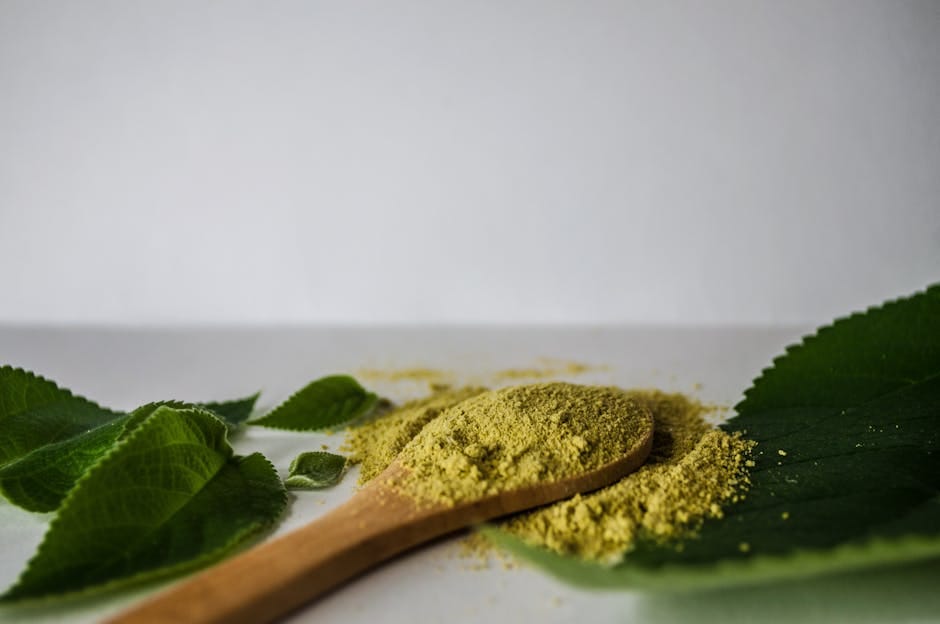
Ashwagandha (Withania somnifera) is an Indian herb used in Ayurvedic medicine for centuries. It's enjoyed a second life in Western supplement markets as an "adaptogen" — a category marketed for stress resilience. Most adaptogens have weak evidence. Ashwagandha is the exception: it has real, if modest, data.
Multiple controlled trials show ashwagandha reducing cortisol, improving subjective stress, and possibly supporting testosterone and sleep. The effects aren't transformative. But among herbal supplements, it's among the few with evidence worth taking seriously.
What Ashwagandha Actually Does
The active compounds in ashwagandha are withanolides, steroidal lactones found in the roots and leaves. Standardized extracts (KSM-66, Sensoril, others) specify withanolide content, typically 2.5-5% of the extract.
Mechanisms proposed from research:
- Modulation of HPA axis — reducing cortisol responsiveness to stressors
- GABAergic effects — contributing to calming and sleep benefits
- Possible anti-inflammatory effects
- Some androgenic or anti-aromatase activity (emerging and unclear)
- Thyroid support (possibly increases T4; watch for hyperthyroid signals in autoimmune thyroid conditions)
Cortisol Reduction: The Core Evidence
Multiple randomized controlled trials have measured cortisol in ashwagandha-supplementing vs placebo groups:
- Chandrasekhar et al. 2012: 64 stressed adults, 300 mg KSM-66 twice daily. Serum cortisol reduced by 27.9% vs 14.5% in placebo over 60 days.
- Auddy et al. 2008: 98 stressed adults, Sensoril 125-500 mg daily. Cortisol reduced 14-32% depending on dose; significantly more than placebo.
- Salve et al. 2019: 60 stressed adults, 240 mg ashwagandha extract. Cortisol reduced by 23% vs 8% placebo.
- Lopresti et al. 2019: 60 adults with stress, 240 mg extract. Cortisol reduced 22% vs 11% placebo.
Cortisol reduction is the most consistent finding. Effect sizes are moderate — 15-30% reduction in morning cortisol in stressed populations over 60-90 days.
Subjective Stress and Anxiety
Ashwagandha groups in trials consistently report lower anxiety and stress scores compared to placebo. Effect size is typically moderate (Cohen's d around 0.5-0.8 across trials). Reductions in validated scales like PSS (Perceived Stress Scale) and DASS (Depression Anxiety Stress Scales) are consistent across studies.
For men with chronic mild-to-moderate stress without diagnosed anxiety disorder, ashwagandha produces noticeable subjective improvement in roughly 50-70% of supplementers, based on survey data.
Sleep Effects
Several trials have shown improved sleep parameters:
- Reduced sleep latency (time to fall asleep)
- Improved sleep quality scores
- Modest increases in total sleep time
Effect sizes are small-to-moderate but consistent. Not as impactful as dedicated sleep medications, but useful adjunct for mild sleep issues. Best taken in evening with dinner.
Testosterone: Mixed Data
Several studies have shown modest testosterone increases in ashwagandha users:
- Lopresti et al. 2019: 14.7% increase in testosterone vs placebo over 8 weeks in overweight men.
- Ambiye et al. 2013: 167% sperm count improvement and 17% increase in testosterone in infertile men.
- Wankhede et al. 2015: 600 mg daily for 8 weeks, 15% testosterone increase in resistance training men.
The effect appears most reliable in men with lower baseline testosterone, stressed men, or men with specific conditions. For healthy young men with normal testosterone, effects are smaller or absent.
Don't expect ashwagandha to dramatically increase testosterone in healthy men. It may help modestly, particularly if stress-related testosterone suppression is part of the picture.
Physical Performance
Trials of ashwagandha in resistance-training men have shown:
- Small increases in strength
- Modest muscle gains (difficult to separate from training effects)
- Reduced post-exercise muscle damage markers
- Possibly improved VO2 max
Effect sizes are small. Don't expect performance transformation; expect modest additional benefit to consistent training.
Dosing and Forms
Standardized extracts are preferred over raw root powder for consistent effects.
KSM-66: Standardized to 5% withanolides, uses only root material. Most widely studied brand. Typical dose 300-600 mg daily.
Sensoril: Standardized to 10% withanolides. Uses roots and leaves. Typical dose 125-250 mg daily (higher withanolide content per mg).
Generic ashwagandha extract: Quality varies. Look for standardization to at least 2.5% withanolides.
Root powder: Less potent but traditional form. Typical dose 3-5 g daily mixed in water or food.
Split doses (morning and evening) or single evening dose. Evening dose leverages sleep benefits. With food reduces any GI discomfort.
How Long to Try
Effects build over weeks. Most trials show benefits at 4-8 weeks. Give ashwagandha at least 60 days of consistent use at standard dose before deciding whether it works for you.
If no noticeable effects at 8 weeks, it probably isn't going to work for you specifically. Discontinue.
If it does work, continuous use is generally fine. Some practitioners suggest cycling (8 weeks on, 2 weeks off) to prevent tolerance, though evidence for tolerance or cycling benefit is weak.
Side Effects and Safety
Generally well-tolerated. Reported side effects:
- Mild GI upset (uncommon; usually resolves with food or dose reduction)
- Drowsiness (expected; use evening if problematic)
- Rare cases of elevated liver enzymes (monitor if predisposed)
Contraindications and precautions:
- Pregnancy: Avoid (animal data suggests possible reproductive effects)
- Hyperthyroidism: May increase thyroid hormone; caution or avoid
- Autoimmune disease: May modulate immune response; discuss with doctor
- Sedative medications: Additive calming effects; adjust doses accordingly
- Surgery: Discontinue at least 2 weeks before elective surgery (possible interaction with anesthesia)
- Autoimmune thyroiditis (Hashimoto's): Mixed recommendations; some concern about stimulating autoimmune response; discuss with doctor
Talk to your doctor before adding ashwagandha if you're on medications or have chronic conditions, particularly autoimmune or thyroid.
What Ashwagandha Won't Do
- Replace the need to address underlying chronic stressors
- Produce dramatic testosterone increases in healthy men
- Substitute for proper sleep hygiene
- Fix anxiety or depression of clinical severity
- Transform performance or body composition
- Work in everyone — probably 40-50% of users report meaningful effects
It's an adjunct with modest effects, not a standalone solution for significant issues.
Comparison With Other Supplements
Compared to other "stress" supplements:
- Ashwagandha: Best evidence base. Effects modest but reliable.
- Rhodiola: Some evidence for fatigue and stress; less consistent than ashwagandha.
- L-theanine: Acute relaxation; well-tolerated; modest effect.
- Holy basil (tulsi): Some evidence for stress reduction; smaller evidence base.
- Phosphatidylserine: Specifically blunts exercise cortisol; niche use.
- CBD: Some evidence for anxiety; quality/dose varies widely in consumer products.
- Adaptogen blends: Usually under-dose individual components; limited evidence for the combinations.
Who Might Benefit
- Men with chronic mild-to-moderate work/life stress
- Men with mild sleep issues, especially sleep onset difficulty
- Men with subclinical anxiety
- Men with suppressed testosterone from stress (adjunct to addressing root causes)
- Athletes and training men for modest performance support
Probably won't benefit:
- Healthy men with no stress issues or specific concerns
- Men with clinical anxiety or depression (not sufficient treatment)
- Men seeking dramatic testosterone or performance changes
- Men not willing to take consistently for 8+ weeks
Cost
Quality ashwagandha extract runs $15-30 per month depending on brand and dose. Not expensive by supplement standards.
The Summary
Ashwagandha has one of the better evidence bases among herbal supplements. It modestly reduces cortisol, improves subjective stress and sleep in stressed populations, and may provide marginal benefits for testosterone and performance. It's not a transformative intervention, but it's not snake oil either.
Worth trying for 8-12 weeks if you fit the profile (chronic stress, mild sleep issues, want adjunctive support). Don't expect it to solve larger issues. Combine with lifestyle interventions — sleep, exercise, stress management — rather than using it as a substitute for them.