Contrast Therapy: Hot to Cold Protocols for Recovery
Hot plus cold is not hot or cold twice. Contrast therapy triggers distinct vascular and nervous system responses that neither modality does alone.
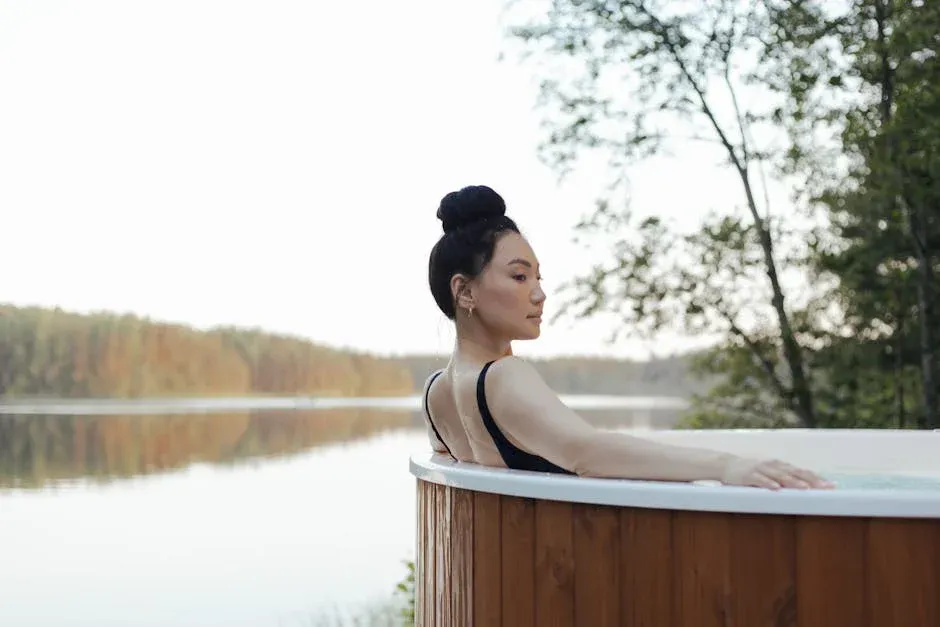
Contrast therapy — alternating between hot and cold exposure — has separate effects from either modality alone. The rapid vascular transitions, repeated activations of autonomic systems, and distinct recovery pathways produce a cumulative response that's more than the sum of parts.
The practice is Finnish in origin — sauna followed by cold plunge, snow roll, or lake immersion — and has moved through physical therapy, sports medicine, and now mainstream wellness. The evidence base isn't as robust as for sauna alone, but the mechanisms are sound and specific benefits are documented.
The Vascular Mechanism
Heat causes peripheral vasodilation (vessels open, blood flows outward). Cold causes vasoconstriction (vessels close, blood shunts to core). Rapid alternation between these states acts like a pump for peripheral circulation.
Repeated cycles of vasodilation and vasoconstriction:
- Increase lymphatic drainage
- Enhance peripheral blood flow training
- Train vascular reactivity (how well vessels respond to stimulus)
- Clear metabolic byproducts from peripheral tissues
- Activate both sympathetic and parasympathetic responses in sequence
- Induce mild cold shock and heat shock protein expression in the same session
Physiological Effects
Post-exercise recovery. Contrast water therapy reduces perceived muscle soreness compared to passive rest in several studies. Effect is modest but consistent. More effective than cold alone for some measures.
Endothelial function. Regular contrast therapy may improve vascular responsiveness over time, though evidence is less robust than for sauna alone.
Autonomic training. Cycling through sympathetic (cold) and parasympathetic (heat) activation in rapid succession may build autonomic flexibility over time.
Subjective recovery. Most users report feeling recovered and energized post-session. Psychological effects are real and reproducible.
Sleep. A contrast session earlier in the day may improve sleep that night via autonomic nervous system regulation. Too close to bed can have the opposite effect.
Protocol Design
Traditional Finnish approach:
- Sauna 15-20 minutes at 170-190°F
- Cold plunge 1-3 minutes at 50-59°F
- Rest 5-10 minutes
- Repeat 2-3 times
Modern athletic recovery protocol:
- Hot (100-104°F hot tub or sauna) 3-5 minutes
- Cold (50-59°F) 1-2 minutes
- Repeat 5-8 cycles
- End with cold (some protocols) or hot (others) depending on desired effect
End with cold if you want alertness and energy afterward. End with hot if you want relaxation and sleep readiness later.
Duration matters — both modalities need to be long enough to trigger systemic response, not so long that you're exhausted. 3-5 minutes per phase hits most of the vascular effects.
For Athletes
Contrast water therapy (CWT) is common in sports medicine. A Cochrane review found modest evidence that CWT reduces post-exercise muscle damage markers and subjective soreness, though effect size is small and benefit over either modality alone is unclear.
Protocol for post-training recovery:
- 1-2 hours after strength training (not immediately)
- 3 rounds of hot-cold cycles
- Focus on active muscle groups during immersion
- End with cold for perceived freshness or hot for relaxation
Don't do immediately after strength training if hypertrophy is your primary goal — this applies to cold exposure specifically in the acute post-workout window.
Home Setups
Full contrast therapy requires some infrastructure:
- Home gym with sauna + cold plunge: $6,000-15,000 all-in. Dedicated space required. Serious commitment.
- Gym access with both: $50-200/month depending on facility. Most practical option.
- Outdoor adapted setups: Portable sauna tent + cold plunge tub, $1,500-3,000. Seasonal in many climates.
- Simplified home version: Hot shower to cold shower for 30-60 seconds each, alternating 3-5 times. Free, less powerful, still captures some benefit.
The cold-shower-hot-shower version isn't as effective as full contrast therapy but delivers real effects without equipment cost.
What's Not Proven
Contrast therapy is often marketed with claims that exceed the evidence:
- "Boosts immune function" — mostly extrapolation from cold exposure data, which itself is weak
- "Dramatic weight loss" — contrast therapy alone doesn't produce meaningful weight changes
- "Cures inflammatory conditions" — specific claims for autoimmune or chronic inflammatory disease lack support
- "Detoxifies" — sweating doesn't meaningfully detoxify; liver and kidneys handle that
- "Massive testosterone or growth hormone boost" — short-term small increases in some hormones, nothing clinically significant
The real benefits — modest but consistent recovery effects, subjective improvement, potential cardiovascular training — don't require the oversold claims.
Safety
Similar to both sauna and cold plunge individually, with additional considerations:
- Rapid blood pressure and heart rate swings — more strain on cardiovascular system than either modality alone
- Men with cardiovascular disease should discuss with doctor before doing contrast therapy
- Elderly or unstable blood pressure patients particularly cautious
- Don't do while alone if any cardiovascular history
- Hydrate aggressively — sauna fluid loss plus cold stress
- Exit if feeling lightheaded, nauseated, or unwell
Integration Into a Weekly Routine
Realistic frequency for most men: 2-4 contrast sessions per week, typically lasting 30-60 minutes total including all cycles and rest periods.
Good fits:
- Post-workout recovery (not immediately; 1-2 hours after)
- Weekend recovery sessions
- Travel recovery after flights
- Morning activation on non-training days
- Social sauna culture (where community exists)
Avoid within 3-4 hours of bedtime unless the protocol ends with a longer cooldown; the sympathetic activation can delay sleep.
The Practical Take
Contrast therapy is a real intervention with mild-to-moderate benefits that neither hot nor cold alone provides as efficiently. If you have access (Finnish sauna culture, good gym, or home setup) and enjoy the practice, it's a useful addition to recovery routine.
For most men, the access is the constraint. If you're considering equipment, start with whatever you can access cheaply (cold showers, local gym amenities) and observe whether the practice sustains your interest before investing in expensive home setups.
The social aspect of sauna + cold immersion in Finnish tradition may account for some of the observed health benefits beyond the physiological mechanisms. The ritual, the community, the weekly rhythm — these contribute beyond what individual sessions would suggest.