Cortisol and Testosterone: How Chronic Stress Kills Your Hormones
Your boss doesn't just stress you out. He's actively suppressing your testosterone through cortisol, and no amount of supplements will fix it while the stressor continues.
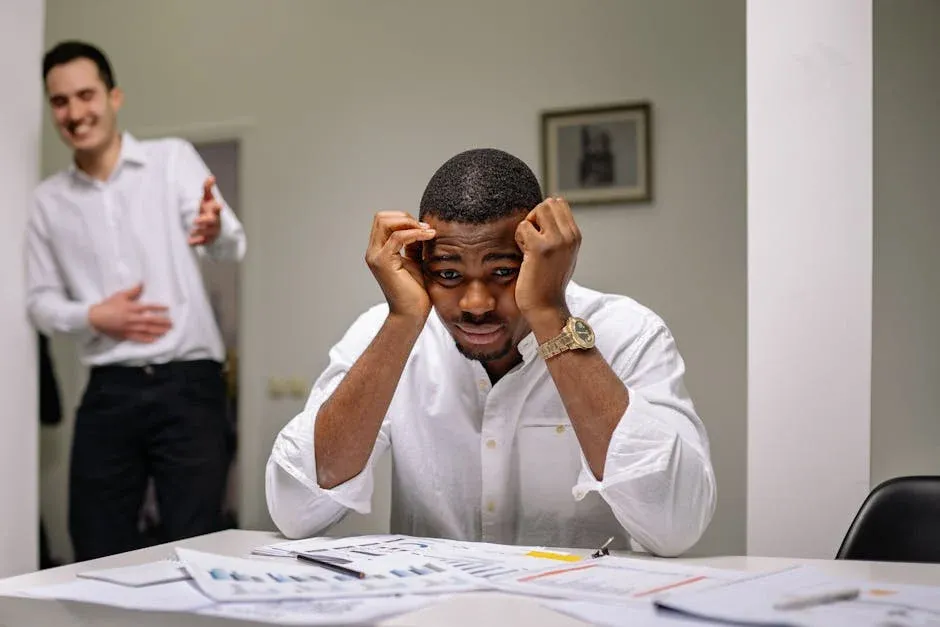
You work 60-hour weeks, sleep six hours on a good night, live on caffeine and takeout, and wonder why your testosterone reads 380 at 38. Your doctor suggests losing weight. You don't need to lose weight. You need to stop living in a chronic fight-or-flight state that your endocrine system recognizes as existential threat.
The cortisol-testosterone relationship is one of the most consistent findings in endocrinology: when cortisol rises chronically, testosterone falls. The mechanisms are multiple and they're reinforcing. Cortisol doesn't just crowd out testosterone; it actively suppresses the signaling that produces it.
How Stress Physically Lowers Testosterone
The hypothalamic-pituitary-adrenal (HPA) axis and the hypothalamic-pituitary-gonadal (HPG) axis share overlapping regulation. When the HPA axis is chronically activated — whether by work stress, sleep deprivation, financial anxiety, relationship conflict, or sustained caloric deficit — it suppresses the HPG axis through several pathways:
- Corticotropin-releasing hormone (CRH), the upstream driver of cortisol, directly suppresses gonadotropin-releasing hormone (GnRH) in the hypothalamus
- Cortisol itself inhibits the pituitary's release of LH and FSH
- At the testicular level, cortisol reduces Leydig cell steroidogenesis
- Chronic stress increases SHBG, further reducing free testosterone
- Sleep deprivation (which tracks with chronic stress) blunts the morning testosterone peak
A 2017 study in the Journal of Endocrinological Investigation measured testosterone response to acute psychological stress in healthy men. Total T dropped an average of 20% within 90 minutes of a standardized stressor. Free T fell more. Chronic stress produces a sustained version of this — day after day, month after month, for years.
The Obesity-Stress-Testosterone Triangle
Chronic stress doesn't just lower testosterone directly. It also drives behavior patterns — poor sleep, overeating calorie-dense foods, alcohol consumption, decreased physical activity — that create the second major testosterone-destroying pathway: visceral adiposity.
Visceral fat is metabolically active. It produces aromatase, which converts testosterone to estradiol. It produces inflammatory cytokines that further suppress testosterone. And elevated insulin from metabolic syndrome adds another suppressive signal to the HPG axis.
The result: stressed middle-aged men often have a testosterone profile that looks 10-15 years older than their chronological age. It's not "aging." It's the cumulative effect of chronic HPA activation plus its downstream metabolic consequences.
Measuring Cortisol: What's Actually Useful
A single morning serum cortisol tells you almost nothing. Cortisol follows a strong circadian pattern, peaking in the early morning and falling through the day. The variability in a single measurement is so high that it's useful only at the extremes — crushingly low suggests adrenal insufficiency, crushingly high suggests Cushing's.
More useful for evaluating chronic stress:
- Diurnal salivary cortisol — samples at wake, 30 min post-wake, noon, 5 pm, bedtime. Shows the actual curve. Chronic stress often flattens it: lower morning peak, higher evening levels.
- Hair cortisol — reflects 3 months of average cortisol exposure. Newer and not universally available, but excellent for assessing chronic load.
- Dexamethasone suppression test — screens for Cushing's; not for routine stress evaluation.
For most stressed-but-not-diseased men, a diurnal salivary panel (around $120-180 direct-to-consumer) shows more useful information than anything your doctor will routinely order.
What Actually Lowers Chronic Cortisol
The effective interventions are not hacks. They're lifestyle structure.
Sleep, non-negotiable. A single week of 5-hour nights raises baseline cortisol 20-30% and shifts the curve unfavorably. Sleep is the most powerful cortisol-regulating intervention available and it's free. Target 7.5-8.5 hours consistently. Protect it.
Physical activity, but not excess. Moderate aerobic exercise lowers chronic cortisol. Excessive endurance training paradoxically raises it — marathon training, for example, can elevate cortisol for days. Strength training has a neutral-to-favorable effect when recovery is adequate.
Caloric adequacy. Prolonged aggressive calorie deficits (below 75% of maintenance for weeks) are a potent cortisol stimulus. If you're trying to lose fat while sleeping 5 hours and drinking 3 coffees to get through the day, you're creating metabolic stress on top of psychological stress.
Alcohol reduction. Alcohol acutely lowers cortisol, but chronic consumption raises it through disrupted sleep and HPA dysregulation. The evening wine "to relax" is a bad trade.
Real stress reduction. This is the part everyone wants to skip. The most effective intervention is removing or reducing the actual stressor — changing jobs, addressing relationship conflict, fixing financial anxiety, saying no to obligations. No supplement, meditation app, or adaptogen will compensate for a genuinely bad chronic stressor. They help at the margins. They don't replace structural change.
Meditation and breathwork. Small but real effects. 10-20 minutes daily of focused practice reliably lowers cortisol in controlled trials. Not a cure; a useful addition.
Supplements: What the Evidence Says
Ashwagandha has the best evidence among "natural" cortisol-reducers. Multiple trials at 300-600 mg of standardized extract show 15-25% cortisol reduction in stressed populations over 8-12 weeks. Modest but real.
Rhodiola rosea shows fatigue-reduction and modest cortisol effects in stressed populations. Less consistent than ashwagandha.
Phosphatidylserine at 400-800 mg blunts the cortisol response to intense exercise in trained individuals. Niche use.
L-theanine produces small acute relaxation effects without sedation.
Magnesium deficiency exacerbates stress response; supplementation in deficient individuals lowers cortisol reactivity.
These are adjuncts. None of them fix a chronic 60-hour work week. If the lifestyle isn't addressed, the supplements are addressing a symptom while the cause continues.
The Cortisol Myth: "Adrenal Fatigue"
Adrenal fatigue is not a real diagnosis. The adrenal glands do not "burn out" from chronic stress. What happens instead is HPA axis dysregulation — the feedback mechanisms get scrambled, the normal cortisol rhythm flattens, and cortisol response to stressors becomes blunted or exaggerated. The adrenals themselves are fine.
Functional medicine practitioners selling "adrenal support" supplements and hydrocortisone prescriptions for fatigue are selling a diagnosis that the medical establishment has correctly declined to recognize. If you're fatigued, there are dozens of real causes — thyroid, iron, sleep apnea, depression, actual adrenal insufficiency — before you land on "my adrenals are tired."
The Testosterone Angle: Fix Cortisol First
A stressed man with testosterone of 420 who jumps straight to TRT is medicating downstream of the actual problem. TRT may make him feel better temporarily, but he's layering exogenous hormone on top of an HPA axis that's still suppressing production. The baseline dysfunction hasn't been addressed.
For men in the 400-550 total T range with high stress indicators, the evidence-based approach is:
- 6 months of aggressive lifestyle intervention (sleep, stress management, weight loss if applicable)
- Retest hormones at end of that period
- Reevaluate TRT only if numbers remain low despite intervention
A substantial fraction of men in this range see testosterone recover 100-200 ng/dL from lifestyle alone. They didn't need replacement therapy; they needed to stop living in sustained activation.
The Practical Framework
If you're between 30 and 55 and feeling the combination of low energy, poor libido, brain fog, poor recovery — and your testosterone comes back mediocre — assume stress is a significant driver until proven otherwise. Measure diurnal cortisol. Fix sleep first. Address work and relationship stressors honestly. Moderate alcohol. Keep training intensity reasonable.
Most of the hormonal dysfunction in middle-aged men isn't aging; it's the cumulative signature of a lifestyle that never lets the nervous system downshift. Fix that and a lot of other metrics — testosterone, insulin sensitivity, inflammation, weight — often follow.