Fasting Glucose vs HbA1c: Why You Need Both Numbers
One test reads a moment. The other reads three months. Together they tell you whether your metabolism is drifting toward diabetes — years before it arrives.
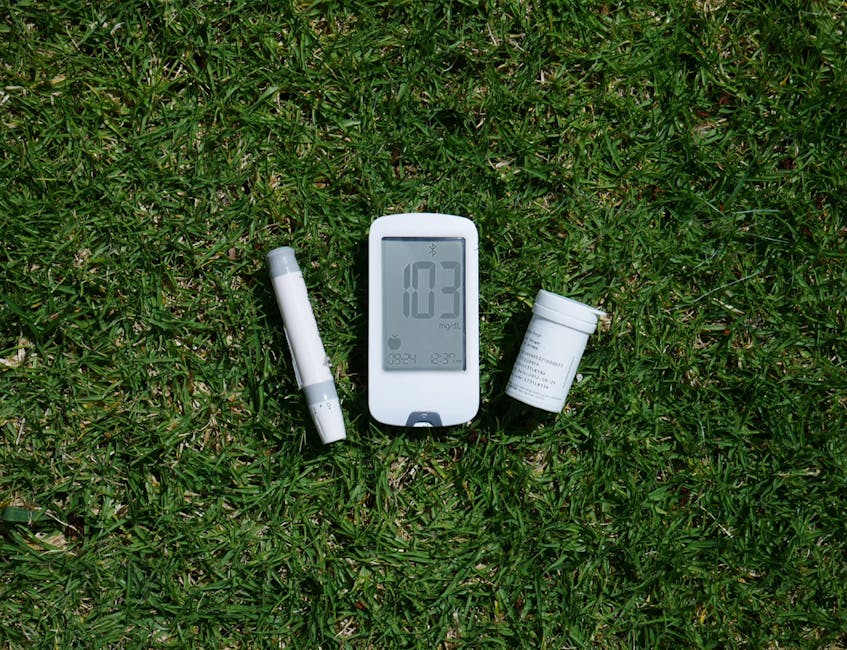
Your fasting glucose is 95. You're told you're fine. Your HbA1c is 5.7. You're told that's prediabetes. Which test is right?
Both. They measure different things. Fasting glucose captures a single moment — your blood sugar after an overnight fast. HbA1c reflects your average blood glucose over approximately the past three months via the percentage of your hemoglobin that has sugar attached to it. Each catches patterns the other misses.
For understanding metabolic health, you need both. Pattern recognition across them — plus fasting insulin, which we'll cover separately — tells you about your metabolic trajectory in a way no single number can.
Fasting Glucose: What It Captures
Fasting glucose measures blood sugar after 8-12 hours without food. In a healthy individual, overnight fasting allows insulin and glucagon to bring glucose to a baseline typically 75-95 mg/dL.
Standard interpretation:
- Under 100 mg/dL: Normal
- 100-125 mg/dL: Impaired fasting glucose (prediabetes)
- 126+ mg/dL: Diabetes (with repeat confirmation)
Optimal is probably under 90 mg/dL. Ranges from 90-99 are technically "normal" but represent elevated fasting glucose compared to truly healthy individuals.
What fasting glucose misses: postprandial spikes. A person who is insulin resistant may maintain a normal fasting glucose (because prolonged fasting eventually restores baseline) while experiencing dramatic glucose excursions after meals. Their 2-hour post-meal glucose might be 180+ while their fasting is 92. Standard fasting glucose testing misses this entirely.
HbA1c: The Three-Month Average
HbA1c (glycated hemoglobin) reflects the percentage of hemoglobin molecules that have glucose covalently bound. Since red blood cells live about 120 days, the measurement integrates glucose exposure over roughly three months, weighted toward more recent weeks.
Standard interpretation:
- Under 5.7%: Normal
- 5.7-6.4%: Prediabetes
- 6.5%+: Diabetes
Optimal is probably under 5.4%. In the 5.0-5.6 range you're in population-normal territory; below 5.0 indicates excellent glycemic control (sometimes too low in absence of diabetes, warrants investigation).
What HbA1c misses: recent changes in glycemic control. Started a diet two weeks ago? Your HbA1c won't reflect it for 6-8 weeks. Dealing with an acute illness affecting glucose? HbA1c smooths it out.
Also: HbA1c can be affected by conditions that alter red cell lifespan — hemoglobinopathies, hemolysis, recent significant blood loss, certain anemias. In these settings, HbA1c may be inaccurate and alternative measures (fructosamine, glycated albumin) may be needed.
Why Both Matter
Common patterns and their interpretation:
Pattern 1: Normal both. Fasting glucose 85, HbA1c 5.2. Genuinely good metabolic status (for this aspect).
Pattern 2: Normal fasting, elevated HbA1c. Fasting 90, HbA1c 5.8. Suggests postprandial glucose excursions that aren't captured by the fasting test. Your average daily glucose is higher than your fasting would predict. Usually insulin resistance in an early or moderate stage.
Pattern 3: Elevated fasting, normal HbA1c. Fasting 115, HbA1c 5.3. Less common. May reflect acute stress (illness, cortisol spike, recent poor sleep) on the testing day. Or early-stage fasting glucose elevation with still-okay overall control.
Pattern 4: Both elevated. Fasting 108, HbA1c 5.9. Consistent prediabetes pattern. Metabolic dysfunction present; intervention warranted.
Pattern 5: Both clearly in diabetic range. Fasting 140, HbA1c 6.8. Diabetes diagnosis; medical management needed.
The nuanced cases are Patterns 2 and 3. They would be missed with only one test. Pattern 2 particularly — the "normal" fasting with elevated HbA1c — is common and important to catch because insulin resistance progresses over years, and early intervention prevents progression to diabetes.
The Better Question: What About Insulin?
Both fasting glucose and HbA1c measure downstream consequences of insulin regulation. By the time either is clearly elevated, your pancreas has been overproducing insulin to compensate for years.
Fasting insulin catches the problem earlier. A healthy person in their 30s typically has fasting insulin under 7 µIU/mL. Someone with early insulin resistance might have:
- Fasting glucose: 92 (normal)
- HbA1c: 5.4 (normal)
- Fasting insulin: 18 (elevated)
All three combined reveal the picture. The pancreas is pumping out extra insulin, successfully keeping glucose in the normal range for now, but this is not sustainable indefinitely — eventually beta-cell function declines and glucose rises.
For early detection of metabolic dysfunction, fasting insulin is arguably the most sensitive single marker. Combine with glucose and HbA1c for the complete triad.
The HOMA-IR Calculation
Homeostatic Model Assessment of Insulin Resistance (HOMA-IR) combines fasting glucose and fasting insulin in a single number:
HOMA-IR = (Fasting Glucose in mg/dL × Fasting Insulin in µIU/mL) / 405
Interpretation:
- Under 1.0: Optimal insulin sensitivity
- 1.0-2.0: Good insulin sensitivity
- 2.0-2.7: Moderate insulin resistance
- Over 2.7: Significant insulin resistance
HOMA-IR is a useful composite that tells you how hard your pancreas is working to maintain your current glucose. Elevated HOMA-IR with normal glucose means the compensation is still working — but there's a cost you're not seeing yet.
Continuous Glucose Monitoring
Continuous glucose monitors (CGMs) — Dexcom, Libre, and others — provide second-by-second glucose data. Historically for diabetics; increasingly used by healthy men for insight into their own glucose response patterns.
What CGMs reveal that fasting glucose/HbA1c miss:
- How high specific foods spike your glucose
- How long post-meal glucose stays elevated
- Individual glucose variability (some foods spike one person but not another)
- Nighttime glucose patterns
- Dawn phenomenon (morning glucose rise from cortisol and growth hormone)
- Effects of exercise, stress, sleep quality on glucose
CGMs for non-diabetics typically run 2-4 weeks per sensor, priced $100-200 per sensor depending on service. Companies like Levels, NutriSense, and Signos bundle CGMs with coaching.
Value: real. The first two weeks of CGM data often change dietary behavior permanently — you see exactly what eating a bagel or drinking orange juice does to your glucose, and the information changes decisions.
Limitation: can become obsessive if used continuously without purpose. Most benefit comes from periodic measurement to understand your patterns, then applying that knowledge without needing continuous monitoring forever.
What to Do With Elevated Numbers
Elevated fasting glucose or HbA1c (in the prediabetes range especially) warrants:
- Lifestyle intervention. The Diabetes Prevention Program trial demonstrated that 7% weight loss combined with increased physical activity (150+ minutes per week) reduced progression to diabetes by 58% over three years — better than metformin.
- Dietary changes. Reducing refined carbohydrate intake is the most direct lever. Replacing refined grains with whole grains, limiting added sugars, building meals around protein and vegetables.
- Resistance training. Skeletal muscle is the primary glucose disposal site. More muscle mass = better glucose tolerance.
- Sleep optimization. Sleep deprivation acutely worsens insulin sensitivity. Adequate sleep is underappreciated as glucose management.
- Alcohol moderation. Alcohol affects both glucose directly and insulin sensitivity chronically.
- Metformin consideration. For progressive prediabetes or established diabetes, metformin is inexpensive, well-tolerated, and effective. Discuss with your doctor.
- GLP-1 agonist consideration. For insulin-resistant patients with weight loss needs, drugs like semaglutide address both issues. Expensive, but increasingly available.
The Annual Tracking
Include fasting glucose, HbA1c, and fasting insulin on annual blood panels. Watch for drift over years — a slowly rising HbA1c from 5.2 to 5.5 to 5.7 over three years is a trajectory worth addressing, even if any single value is "normal."
Most men who develop type 2 diabetes had 5-15 years of detectable prediabetes before diagnosis. Catching the drift early and reversing course prevents the eventual diagnosis.
Three cheap tests. They catch a condition that kills slowly and costs hundreds of thousands of dollars in downstream care. Order them.