Flu Shot Timing for Men Over 40: Why Early Isn't Always Better
A flu shot in August can wear off before flu season peaks. Here's the window that actually works for men in their 40s this fall.
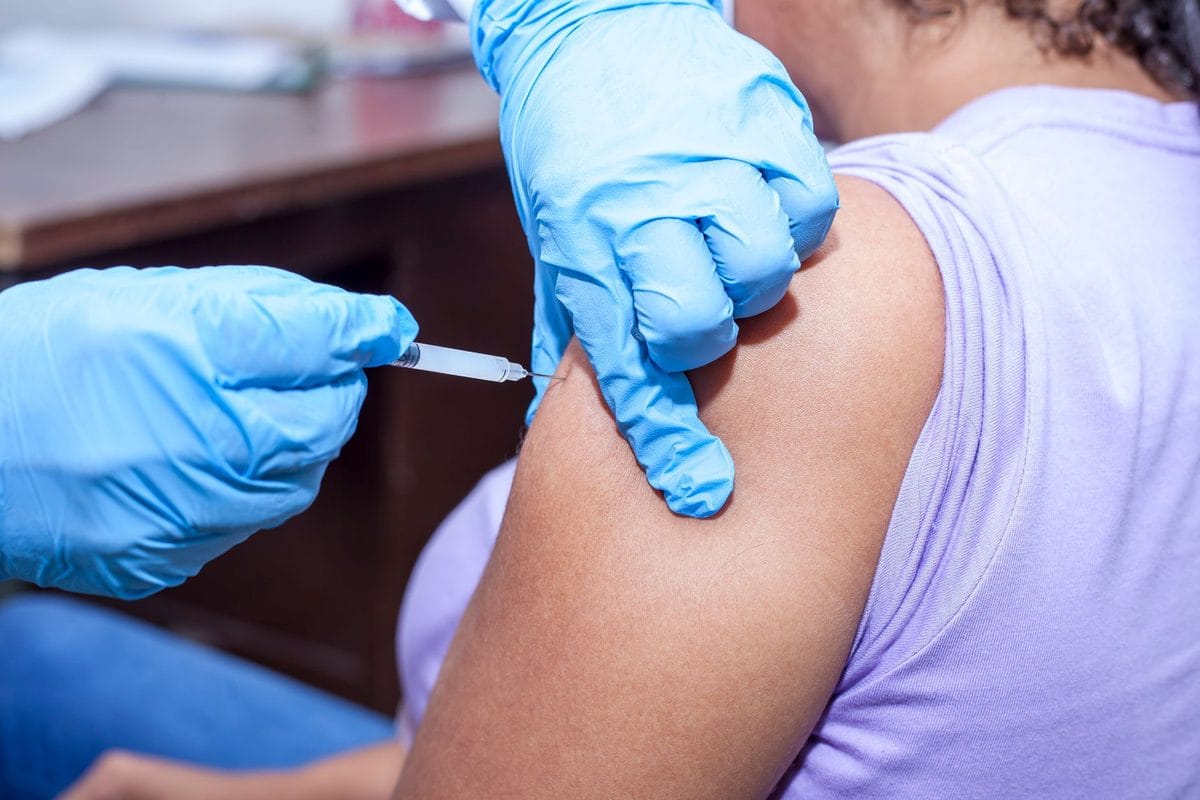
Somewhere around the third week of September, the pharmacy chains start running the same ad: get your flu shot now, before the rush. It shows up in your inbox, on the drugstore marquee, maybe as a text from CVS or Walgreens reminding you that your insurance covers it at no cost. For a lot of men in their 40s, the instinct is to knock it out immediately — same trip as picking up a prescription refill, one less thing on the list before October gets busy. That instinct isn't wrong, exactly. It's just early enough to work against you.
The timing problem nobody explains at the pharmacy counter
Flu vaccines don't give you permanent protection — the antibody response builds for about two weeks after the shot, holds strong for a few months, and then gradually declines. For most healthy adults that decline becomes noticeable somewhere around the four-to-six-month mark. Flu activity in the United States typically doesn't peak until December through February, and in a late-arriving season it can stretch into March. Do the math on an August 20 flu shot and you're looking at meaningfully reduced protection right around the point when flu is circulating hardest in your office, your kid's school, or your gym. This is why the CDC has, for several seasons running, steered adults — especially anyone over 65 — away from getting vaccinated in July or August unless there's a specific reason, like an upcoming trip or a planned surgery that makes later timing impractical.
Men in their 40s aren't in the highest-priority group the way people over 65 or those with chronic conditions are, and that's exactly why the guidance gets skipped. The messaging is built around frail, older patients, so a 44-year-old scrolling past it assumes it doesn't apply to him. It does, just with lower stakes. You're less likely to end up hospitalized than your father would be, but you're also the guy who can't afford five sick days in November when a work trip and two kids' soccer tournaments are already on the calendar. Optimal timing matters for you too — it's just a scheduling problem instead of a survival one.
So when should you actually go
Right now works.
Late September through the end of October is the window that actually lines up antibody peak with flu season peak for most of the country. If you're reading this in the third week of September, you're not too early and you're not late — you're in the sweet spot, and getting it done this week or next beats waiting until Thanksgiving traffic makes every pharmacy line twenty minutes long. Get it by Halloween. That's not a soft suggestion — public health messaging repeats it every year for a reason, and pushing it into November mostly just means you're gambling on finding an open appointment slot during the season's busiest stretch.
There's one real exception worth naming: if you're traveling to the Southern Hemisphere this fall, where flu season runs roughly April through September, or heading somewhere with a health system covering you for weeks at a time, get vaccinated before you leave rather than waiting for the "ideal" domestic window. Protection two months early beats no protection while you're actually exposed.
High-dose, adjuvanted, or standard — does the version matter at 40?
Walk into most pharmacies past a certain age threshold and you'll get steered toward Fluzone High-Dose or Fluad, the adjuvanted version — both formulated for people 65 and older, whose immune systems respond more sluggishly to standard vaccination. If you're 41 to 49, you're going to be offered the standard-dose shot, and that's the correct call; the higher-dose formulas aren't approved or recommended for your age bracket, and paying extra for one (some pharmacies will let you if you ask) buys you nothing measurable. Flublok, the recombinant version grown without egg-based manufacturing, is worth knowing about only if you've had a genuine egg allergy reaction in the past — for everyone else it's a manufacturing detail, not a performance upgrade.
The nasal spray version, FluMist, is approved through age 49 and skips the needle entirely, which matters more than it sounds like if you're the guy who's put off the shot three years running because you hate needles. It's a live attenuated vaccine rather than an inactivated one, so it's not recommended if you're immunocompromised or living with someone who is severely immunocompromised, but for an otherwise healthy 42-year-old with a needle aversion, it's a legitimate way to actually get the thing done instead of continuing to skip it.
The COVID booster question you're going to get asked anyway
Every pharmacist working the counter this fall is going to ask if you want your updated COVID booster at the same visit, and the honest answer is: go ahead and get both in the same appointment unless you have a specific reason not to. Getting them in the same arm or different arms on the same day doesn't reduce the effectiveness of either one, and it saves you a second trip you were never going to make. The one caveat worth knowing — some men report a rougher 24 hours (more fatigue, more arm soreness) when both are given together compared to spacing them out by a week or two. If you've got a demanding day planned tomorrow, that's worth factoring in. If not, one appointment beats two.
This is also where RSV vaccination comes up for some men, though the guidance there is narrower — it's currently recommended starting at 60, or earlier only if you have specific risk factors like chronic lung or heart disease. Unless your doctor has flagged one of those conditions, it's not a September conversation for you yet. Worth knowing it exists for when it becomes relevant, not worth chasing down now.
Where this fits on a fall health checklist that already feels crowded
September is genuinely the month when men's health tasks stack up — the annual physical you've been pushing back, the dermatology check-up after a summer that involved more sun than sunscreen, maybe a dental cleaning you're six months overdue for. The flu shot is the easiest item on that list to knock out because it doesn't require scheduling weeks in advance; most chains take walk-ins, the appointment itself takes ten minutes, and you don't need to fast beforehand or clear your afternoon. Treat it as the low-friction win it actually is instead of letting it slide into the same pile as the physical you keep rescheduling.
Where to get it matters less than people assume. CVS, Walgreens, Rite Aid, Costco pharmacies, and most primary care offices all carry standard-dose flu vaccine, and with most insurance plans it costs nothing out of pocket. If you're uninsured, expect somewhere in the $25–$75 range depending on the chain and your state, with several pharmacy chains running $0-copay events specifically timed to late September and early October to get ahead of the rush. Check your plan's app before you go — some insurers will only cover it fully at in-network pharmacies, and it's a five-second lookup that saves you an unnecessary charge.
None of this amounts to medical advice specific to your situation — if you have a chronic condition, an egg allergy, or a history of a severe reaction to a previous flu shot, that's a conversation with your doctor or pharmacist before the appointment, not after. But for the average healthy man in his 40s reading this in the last week of September, the calculation is straightforward: this week or next, standard dose, same visit as your COVID booster if you're getting one, and you're covered through the stretch of winter when it actually counts.