Zinc and Male Health: Deficiency Is Common, Overdose Is Dangerous
Zinc deficiency is real, common, and fixable. But more zinc isn't better — excess suppresses copper and immune function. Dose matters.
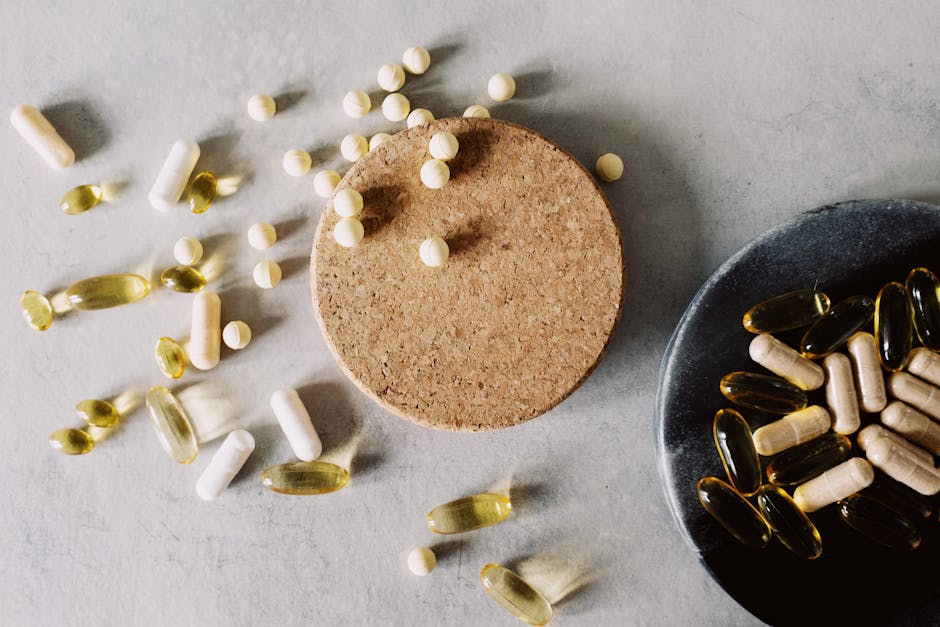
Zinc is an essential mineral involved in over 300 enzymatic reactions. It's required for testosterone synthesis, immune function, wound healing, DNA synthesis, taste perception, and more. Deficiency is common, particularly in men with vegetarian or restrictive diets, heavy alcohol use, or chronic gastrointestinal conditions.
But zinc is also a mineral where more is not always better. Chronic supplementation at high doses can suppress copper absorption, impair immune function, and create the opposite of the problem you were trying to fix. The safe supplemental range is narrow enough that blindly taking "zinc support" products is unwise.
What Zinc Does for Men
Testosterone production. Zinc is a cofactor for enzymes involved in testosterone synthesis. Deficiency suppresses testosterone production. Correcting deficiency restores testosterone in deficient individuals. However, supplementation in zinc-replete men doesn't meaningfully raise testosterone — the claim that "zinc boosts testosterone" is only true for deficient individuals.
Immune function. Zinc supports both innate and adaptive immunity. Deficiency impairs immune response. Adequate intake is protective against infections and supports recovery.
Wound healing. Zinc is required for tissue repair and collagen synthesis. Chronic wounds often show slower healing in zinc-deficient patients.
DNA synthesis and cell division. Zinc supports cellular replication processes; deficiency affects fast-dividing cell populations first (immune cells, gut epithelium, skin).
Taste and smell. Reduced taste sensitivity is a classic sign of zinc deficiency.
Prostate health. The prostate contains high concentrations of zinc; adequate zinc appears important for prostate function, though specific therapeutic claims are less well-established.
Mental health. Emerging research suggests zinc plays a role in mood regulation. Some evidence for adjunctive zinc supplementation in depression.
Who's at Risk of Deficiency
- Vegetarians and especially vegans (plant-based zinc has lower bioavailability; phytates inhibit absorption)
- Men with heavy alcohol use (alcohol affects absorption and increases losses)
- Gastrointestinal conditions (Crohn's, celiac, absorption disorders)
- Elderly men (reduced intake and absorption efficiency)
- Chronic kidney disease or diabetes
- Individuals on certain medications (some antibiotics, diuretics, proton pump inhibitors)
- Men on strict diets restricted in animal products
- Athletes with very high training volume (sweat losses can add up)
Symptoms of Deficiency
- Reduced immunity (frequent infections, slow recovery)
- Poor wound healing
- Hair loss or thinning
- Reduced taste sensitivity
- Skin issues (acne, eczema, general quality)
- Low testosterone in deficient men
- Reduced libido
- Night vision problems
- Diarrhea
- Appetite loss
Recommended Intake
RDA for adult men: 11 mg daily. Upper tolerable intake limit (UL): 40 mg daily for adults. This upper limit is based on risk of copper deficiency and other issues with sustained higher intakes.
Most multivitamins contain 15-25 mg zinc, near or above the RDA without supplementation beyond.
Dedicated zinc supplements typically provide 15-50 mg per tablet. The 50 mg options exceed the UL if taken daily long-term.
Forms of Zinc
Bioavailability differs by form:
- Zinc picolinate: Good bioavailability. Common in supplements.
- Zinc citrate: Good bioavailability.
- Zinc gluconate: Moderate bioavailability. Common in lozenges for colds.
- Zinc oxide: Poor bioavailability. Usually used in topical preparations (sunscreen, diaper rash cream).
- Zinc sulfate: Moderate bioavailability.
- Zinc bisglycinate: Good bioavailability, gentle on stomach.
- Zinc monomethionine: Good bioavailability.
Picolinate or bisglycinate are reasonable choices for general supplementation. Skip oxide unless topical use.
Dose Recommendations
General supplementation for deficiency correction: 15-30 mg daily for 4-8 weeks, then reassess.
Maintenance in at-risk individuals: 15-20 mg daily long-term.
Acute cold management: Zinc lozenges (gluconate or acetate) providing 75-100 mg daily, broken into doses, for up to 5 days. Evidence shows reduced cold duration if started within 24 hours of symptoms.
Long-term higher doses (40+ mg daily): Not recommended without medical supervision and monitoring. Can suppress copper, impair immune function, and cause other issues.
The Copper Problem
Zinc and copper compete for absorption. Sustained high zinc intake can produce copper deficiency, which causes:
- Anemia (copper-dependent)
- Neurological symptoms (numbness, tingling, gait problems)
- Cardiovascular issues
- Reduced immune function (paradoxically, opposite to zinc's purpose)
A common rule of thumb: for zinc supplementation above 15 mg daily sustained long-term, include 1-2 mg copper daily to maintain balance. Many zinc supplements now include copper in appropriate ratios (typically 15 mg zinc + 1 mg copper).
Short-term zinc (weeks, not months) at moderate doses doesn't require copper consideration. Chronic supplementation above 25-30 mg daily should include copper or use lower zinc doses.
Food Sources
Best dietary sources:
- Oysters: 74 mg per 3 oz serving (dramatically highest)
- Beef (lean, grass-fed): 4-7 mg per 3 oz
- Crab: 5-8 mg per 3 oz
- Pork: 3-4 mg per 3 oz
- Chicken (dark meat): 2-3 mg per 3 oz
- Cashews: 1.5 mg per ounce
- Pumpkin seeds: 2 mg per ounce
- Chickpeas: 2.5 mg per cup
- Yogurt: 1 mg per cup
For men eating regular meat, dairy, and seafood, zinc intake from food is often adequate. Plant-based diets require more attention — plant zinc has lower bioavailability, and phytates in whole grains and legumes inhibit absorption.
Vegetarians often need supplementation or careful attention to zinc-rich plants. Vegans particularly should supplement.
Testing
Serum zinc testing exists but has limitations similar to magnesium — most zinc is in tissues, and serum levels are tightly regulated. Testing can identify overt deficiency but misses mild-moderate inadequacy.
Clinical approach is often based on:
- Dietary assessment
- Symptom review
- Therapeutic trial of supplementation
For most men, testing is unnecessary unless symptoms suggest deficiency. Reasonable empirical approach: if you're vegetarian/vegan or in other at-risk groups, supplement 15-20 mg daily. If you eat balanced omnivore diet with regular red meat and seafood, probably unnecessary.
Zinc for Colds
Zinc lozenges have moderate evidence for reducing cold duration if:
- Started within 24 hours of symptom onset
- Provided in adequate doses (75-100 mg daily in divided doses)
- Proper form (gluconate or acetate lozenges, not capsules — the lozenges provide zinc directly to mucous membranes)
- Used for up to 5 days
Effect is modest (cold may be 24-48 hours shorter on average) but real. Not a dramatic intervention, but useful.
Side effects during acute use: nausea, altered taste, mouth irritation. Take with food; don't use longer than 5 days.
Who Should Be Careful
Men taking zinc should be aware of:
- Interactions with antibiotics (reduces absorption of quinolones, tetracyclines — separate by 2+ hours)
- Interactions with diuretics (thiazides increase zinc excretion)
- Interactions with certain anticonvulsants
- Not combining high-dose zinc with iron (compete for absorption)
Discuss supplementation with your doctor if you're on multiple medications or have chronic conditions.
The Practical Protocol
For men with risk factors (vegetarian, chronic stress, high training volume, mild symptoms of deficiency):
- Supplement 15-20 mg zinc picolinate or bisglycinate with a meal
- Include 1-2 mg copper if sustained use over months
- Don't exceed 40 mg daily without medical guidance
- Reassess symptoms after 8 weeks; discontinue if no benefit observed
For men eating balanced diets with regular meat and seafood: probably don't need supplementation. Check dietary intake; correct any gaps with food first.
Cost: $8-15 for a month of quality zinc supplement. Inexpensive intervention where indicated.
The Summary
Zinc matters, zinc deficiency is common in specific populations, and supplementation works for deficient individuals. But the therapeutic window is narrow — more isn't better, and chronic excess causes its own problems. Supplement when indicated, at appropriate doses, ideally with copper for long-term use. For most balanced-diet omnivores, dietary intake is adequate and supplementation isn't needed.