Breathwork Protocols That Actually Work: Wim Hof to Box Breathing
Some breathwork is performative nonsense. Some reliably alters cortisol, heart rate, and cognitive state in minutes. The difference is knowing which is which.
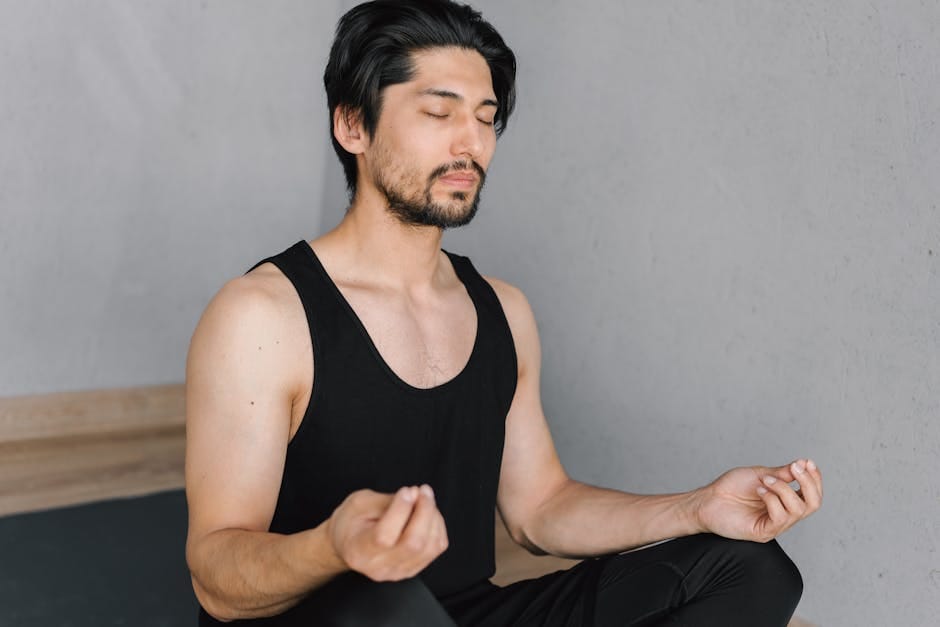
Breathwork has become a wellness trend with a wide quality range — from genuine physiological interventions backed by real data to performative box-breathing apps that barely move a physiological needle. The ones that work have specific mechanisms and real effects. The ones that don't are an expensive way to look busy.
Here's the practical guide to breathwork protocols that actually do something measurable, when to use them, and what to skip.
The Physiology Behind Breathwork
Breathing is the only autonomic function you can also consciously control. This gives it a unique ability to bidirectionally influence your autonomic state. Specific breathing patterns activate different branches of the nervous system:
- Slow exhales (longer than inhales) activate the parasympathetic branch — calming effect
- Rapid deep breathing (hyperventilation) activates sympathetic — alerting, stimulating
- Breath holds after full exhalation cycle through stress-response and recovery, building tolerance
- Slow, resonant breathing around 5-6 breaths per minute optimizes heart-rate variability
- Nasal breathing activates nitric oxide production, improving vasodilation
These effects are measurable in minutes. Changes in heart rate, HRV, blood pressure, and subjective state occur during and immediately after protocols.
Box Breathing
Protocol: Inhale 4 seconds, hold 4 seconds, exhale 4 seconds, hold 4 seconds. Repeat for 5-10 minutes.
Mechanism: Equal-phase breathing with controlled pace activates parasympathetic nervous system. The holds add a focus/control component that engages attention.
Effects: Reduced acute stress, improved focus, lowered heart rate. Used by US military and law enforcement for stress control in high-pressure situations.
When to use: Before high-stress events (presentations, confrontations, interviews). Midway through stressful days. Pre-sleep.
Evidence: Small controlled trials show modest reductions in cortisol and subjective stress. Consistent performer among the simple protocols.
Physiological Sigh
Protocol: Two quick inhales through the nose (first one fills most of your lungs, second tops it off), followed by a long slow exhale through the mouth. Repeat 3-5 times.
Mechanism: The double inhale reopens collapsed alveoli, allowing more efficient CO2 release during the extended exhale. CO2 offload triggers parasympathetic activation.
Effects: Rapid stress reduction. Measurable within 1-2 cycles. One of the fastest-acting physiological interventions for acute anxiety.
When to use: In acute stress moments. Between tasks. When overwhelmed. Pre-sleep. Before speaking in challenging situations.
Evidence: 2023 Cell Reports Medicine study (Balban et al.) directly compared physiological sighing to other breathwork protocols and mindfulness meditation over a month. The physiological sighing group showed greater improvements in mood and reductions in physiological arousal.
Best cost-benefit ratio of any breathwork protocol. Takes 30 seconds. Works.
Slow Resonant Breathing
Protocol: 5-6 breaths per minute (inhale 5 seconds, exhale 5 seconds, or 4-in, 6-out for extended exhale). Nasal breathing if possible. Sustain for 10-20 minutes.
Mechanism: This rate coincides with the natural frequency of the cardiovascular baroreflex, producing maximum heart rate variability. Essentially, you're entraining your cardiovascular and respiratory systems into optimal coupling.
Effects: Increased HRV, reduced blood pressure, enhanced vagal tone, improved sleep over time. Chronic practice shifts baseline autonomic state.
When to use: Daily practice 10-20 minutes, often in morning or before bed. Not acute anxiety relief; a cumulative practice.
Evidence: Strong evidence base. HRV biofeedback training using this approach has demonstrated improvements in anxiety, hypertension, and stress-related conditions in multiple meta-analyses.
Wim Hof Method
Protocol: Three rounds of: 30-40 deep breaths (inhale fully through nose or mouth, exhale without force), then exhale and hold as long as comfortable (1-3 minutes typically), then deep inhale and hold 15 seconds before releasing. Often combined with cold exposure in full Wim Hof practice.
Mechanism: The hyperventilation phase temporarily raises blood pH (respiratory alkalosis) and reduces CO2, allowing extended breath holds. Cycles of hypoxia (during hold) and reoxygenation trigger stress-response activation followed by recovery.
Effects: Acute adrenaline release, altered consciousness during sessions, tolerance to cold exposure. Subjective reports of feeling energized and calm post-session.
Cautions: Don't do during or near water (risk of drowning from shallow-water blackout). Don't do if pregnant, have cardiovascular disease, epilepsy, or other major medical conditions. Seated or lying down only.
Evidence: Some measurable physiological effects documented (increased adrenaline, altered immune markers, temporary pH changes). Claims about disease modification or dramatic health improvement beyond what the mechanisms support are overstated. The method produces real short-term physiological effects; whether it meaningfully changes long-term health outcomes is less established.
Honest assessment: Can be a useful stress/attention practice and cold-exposure preparation. Don't expect dramatic health transformation from breathwork alone.
4-7-8 Breathing
Protocol: Inhale 4 seconds, hold 7 seconds, exhale 8 seconds. 4-8 cycles.
Mechanism: Prolonged exhale and extended hold activate parasympathetic response. Popularized by Andrew Weil.
Effects: Calming, helpful for sleep onset.
When to use: Pre-sleep, acute anxiety.
Evidence: Limited formal studies; similar mechanism to other slow-exhale protocols with reasonable plausibility.
Buteyko Breathing
Protocol: Focus on reduced breathing volume, maintaining slightly elevated CO2. Various specific exercises and the Control Pause (CP) test for progress.
Mechanism: Theory is that chronic overbreathing depletes CO2 below optimal, affecting oxygen delivery (Bohr effect) and airway function. Training in gentler, more nasal breathing normalizes CO2.
Effects: Has been studied primarily for asthma with some positive results. Broader claims about exercise performance and general health are more speculative.
When to use: If you have asthma or chronic hyperventilation patterns, worth trying with a trained practitioner. For general health optimization, less clear benefit.
Evidence: Modest evidence for asthma management. Other claims have weaker support.
Nasal Breathing Emphasis
Protocol: Breathe through nose during waking hours and exercise. During sleep, consider mouth taping (small piece of specific tape over lips).
Mechanism: Nasal breathing produces nitric oxide in nasal sinuses, which provides vasodilation and antimicrobial effects. Nasal breathing also filters, humidifies, and temperatures incoming air. Mouth breathing during sleep contributes to dry mouth, disrupted sleep, and possibly sleep apnea.
Effects: Reports of improved sleep, reduced daytime fatigue, better exercise oxygen efficiency. Some evidence for reduced dental issues (dry mouth contributes to cavities and gum disease).
When to use: All the time, as a default pattern. Mouth taping during sleep if you wake with dry mouth or partner reports mouth-breathing.
Evidence: Physiological mechanisms well-established. Formal clinical evidence more limited but growing.
Practical note: Nasal obstruction (deviated septum, chronic rhinitis) makes exclusive nasal breathing difficult. Address underlying obstruction before forcing the pattern.
What Doesn't Work as Well as Claimed
Several "breathwork" offerings have substantially weaker evidence or questionable effects:
Rebirthing breathwork / cathartic hyperventilation. Strong subjective experiences but limited demonstrated clinical benefit; potential risks in unprepared individuals.
Holotropic breathwork. Similar to rebirthing; altered states but not clearly therapeutic in controlled trials.
Pranayama complexities. Traditional yoga has many specific breath patterns with various claimed benefits. Some are likely legitimate (slow nadi-shodhana for calming), others lack support beyond tradition.
Breathwork apps. Most are adequate for timing but substitute vague imagery for substantive protocol. Useful if they get you practicing; unhelpful if they substitute for real practice.
Practical Integration
For most men, a minimal effective breathwork practice looks like:
- Physiological sigh as needed throughout the day for acute stress (seconds each)
- Box breathing 5 minutes before stressful events
- Slow resonant breathing 10 minutes daily, ideally in morning or before bed
- Nasal breathing as default pattern throughout day
Total time: 10-15 minutes daily plus occasional micro-interventions. Measurable effects on stress, sleep, and focus within 2-4 weeks.
More elaborate protocols (Wim Hof, extended meditation-style practices) are additive options rather than necessary foundations. Start with the basic practical patterns; expand if motivated.
When Breathwork Isn't Enough
Breathwork is an excellent adjunct to other interventions but rarely a standalone solution to significant issues. If you're chronically stressed, anxious, or depressed to the point of functional impairment, breathwork won't substitute for:
- Therapy
- Medication if indicated
- Lifestyle changes (sleep, exercise, alcohol, relationships)
- Addressing specific stressors
Use breathwork as a tool within a broader approach, not as the primary intervention for significant mental health issues.
The Physiological Truth
Breathwork has real physiological mechanisms and real effects. It's not nothing, and it's not everything. For the cost (minutes of time, no equipment), it offers reliable modest benefit for stress management and autonomic regulation. Worth having in your toolkit; not worth thinking of as a replacement for more fundamental interventions.