Cold Plunges: Separating the Science from the Hype
Cold plunges will make you feel alive. Whether they actually extend your life, burn fat, or boost testosterone meaningfully — that's where the science gets murkier.
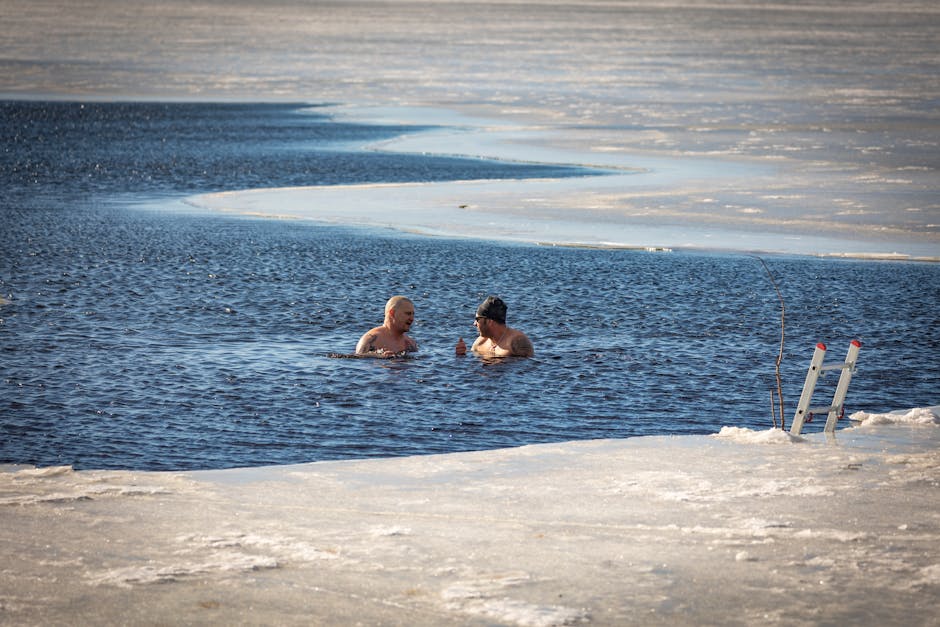
Cold plunges have moved from athletic recovery niche to mainstream obsession in about five years. Every podcaster now has one. Every men's wellness app recommends them. The claims range from fat-burning to testosterone-boosting to immune-enhancing to depression-curing.
Some of these claims have supporting evidence. Some are wildly overstated. Some are essentially fabricated from weak studies and repeated until they feel true. Sorting this out matters if you're considering dropping $2,500 on a home plunge tub or making cold exposure a daily practice.
What Cold Exposure Actually Does Physiologically
Cold-water immersion triggers a cascade of responses:
- Cold shock response: Initial gasp, elevated heart rate, spike in catecholamines (norepinephrine up to 5-10x baseline)
- Peripheral vasoconstriction: Blood shunts from extremities to core
- Thermogenesis: Shivering and non-shivering thermogenesis burn calories to maintain core temperature
- Brown fat activation: Brown adipose tissue (in small amounts in adults) burns calories to produce heat
- Autonomic nervous system activation: Sympathetic spike, followed by parasympathetic rebound
- Anti-inflammatory effects: Reduced post-exercise inflammation and soreness
These are real, measurable effects. The question is whether the short-term responses produce meaningful long-term benefits.
What the Science Supports
Reduced muscle soreness after exercise. Cold-water immersion (10-15 minutes at 50-59°F) after hard training reduces subjective soreness 24-48 hours later. Well-documented. Useful for athletes in competition or heavy training blocks.
Improved mood acutely. Cold plunges reliably produce feelings of alertness and euphoria afterward, mediated by the norepinephrine spike. The effect is real and repeatable.
Mental resilience / discomfort tolerance. Regularly doing something voluntarily uncomfortable builds psychological tolerance to discomfort. This is probably the most durable benefit — not a cellular effect but a practice effect.
Modest acute metabolic activation. A cold plunge increases energy expenditure during and briefly after. Whether this meaningfully affects weight is unclear.
Small reductions in depressive symptoms. Some trials of regular cold-water swimming have shown improvements in depression and anxiety scores. Effect size modest, populations small.
Improved parasympathetic recovery. Post-plunge, HRV often rebounds higher than baseline as the nervous system recovers from the cold stressor. Suggests training of autonomic flexibility.
What the Science Doesn't Support (Yet)
Meaningful fat loss. Claims of significant weight loss from cold exposure alone are not well-supported. Brown fat activation burns calories but in small amounts in adult humans — perhaps 50-200 extra calories per day with sustained cold exposure. This doesn't transform body composition on its own.
Dramatic testosterone increases. Studies are mixed and mostly small. Some show modest short-term effects; others show none or even reductions (especially if cold exposure is too close to strength training). No consistent case for cold plunges as a testosterone-optimization strategy.
Major immune enhancement. A Dutch study by Buijze (2016) showed a 29% reduction in sick leave among habitual cold showerers vs controls, but effect on actual illness duration was unchanged. One study, methodology questions, claims have been amplified beyond what the data supports.
Longevity extension. No direct evidence that cold exposure extends human lifespan or healthspan at scale. Small observational studies of cold-water swimmers show mixed signals. Claims of "anti-aging" are speculative.
Disease cures. Anything claiming cold plunges cure autoimmune disease, cancer, or other serious conditions is overstating the evidence dramatically.
The Exercise Recovery Complication
Cold-water immersion within 1-2 hours after strength training may blunt adaptations. Post-exercise inflammation is part of the signaling that drives muscle growth. Aggressive cold exposure immediately after training can reduce hypertrophy gains over weeks.
A 2015 study in the Journal of Physiology showed that regular post-workout cold immersion reduced hypertrophy by roughly 20% over 12 weeks compared to active recovery. For men primarily training for strength or muscle gain, cold plunging immediately after lifting is counterproductive.
For endurance athletes, cold immersion after hard sessions is less problematic and may help recovery.
Practical compromise: use cold exposure on rest days or in the morning before training; save the post-workout period for other recovery modalities.
Protocol Recommendations
For general stress tolerance and mood effects:
- Temperature: 50-59°F (10-15°C)
- Duration: 2-5 minutes
- Frequency: 2-4 times per week
- Timing: morning or afternoon, not within 4 hours of bed (sympathetic activation delays sleep)
For athletic recovery:
- Temperature: 50-59°F
- Duration: 10-15 minutes
- Timing: not immediately post-strength training; okay for endurance recovery
For beginners:
- Start with cold showers: 30-60 seconds at the end of a warm shower
- Progress to longer durations over 2-4 weeks
- Only move to plunge when comfortable with extended cold shower exposure
Safety Considerations
Cold exposure is generally safe for healthy individuals but has real risks:
Cardiovascular risk. The cold shock response spikes heart rate and blood pressure. For men with cardiovascular disease, hypertension, or cardiac arrhythmias, this is a real concern. Talk to your doctor before starting cold exposure if you have any cardiovascular conditions.
Cold shock drowning. Never cold-plunge alone in open water or where supervision isn't available. The cold gasp reflex can cause drowning in non-pool settings.
Hypothermia. Extended exposure (10+ minutes at cold temperatures) can drop core body temperature. Have warm clothes or towel immediately available post-plunge.
Afterdrop phenomenon. Core body temperature can continue to drop for minutes after leaving cold water as cold peripheral blood returns to core circulation. Take this into account if you have cardiac risk.
Raynaud's phenomenon. Individuals with Raynaud's or other circulatory conditions may have extreme discomfort or risk of tissue damage in cold.
The Equipment Question
Options for home cold exposure, in descending order of cost:
Dedicated cold plunge tubs (Plunge, Cold Life, Ice Barrel): $2,000-5,000+. Chilled water, filtered, consistent temperature control. Premium experience. Hard to justify economically unless you're committed to multi-year daily use.
Chest freezer conversion: $500-800 for freezer + tubing. Functional, less aesthetic, water needs regular changing.
Stock tank + ice: $200-400. Basic, requires regular ice purchase, functional.
Bathtub with ice: Free (if you have a tub). Bags of ice from gas station. Temperature inconsistent, still works.
Cold showers: Free. Lower dose but captures much of the stress-tolerance and mood benefits.
Outdoor cold water (ocean, river, lake): Free and most primal. Regional and weather-dependent. Community aspect often emerges in local cold-swimming groups.
The diminishing returns of expensive equipment are real. A cold shower practice delivers meaningful benefit. A $4,000 tub delivers marginally more benefit while being a larger commitment.
What's Overhyped
The current cold plunge discourse often claims benefits far beyond what the evidence supports. "Reset your nervous system," "optimize your hormones," "burn brown fat," "bulletproof your immunity" — most of these are either overstated or marketing.
The honest summary: cold exposure is a modestly beneficial practice with specific, real effects (mood, stress tolerance, some recovery benefits, practice in discomfort tolerance). It's not a miracle intervention. It won't fix chronic health problems. It doesn't replace sleep, exercise, diet, or stress management.
As one tool among many, with a clear mechanism and reliable short-term effects, it's useful. As a center-of-life intervention that transforms health, it's oversold.
The Bigger Picture
The question to ask yourself: are you doing cold plunges because they meaningfully improve your health, or because they've become a performative identity marker? For the first reason, they're fine. For the second, the money and time are probably better invested in sleep optimization, training consistency, or nutrition quality.
For most men, starting with cold showers (free, convenient, 30-60 seconds daily) captures most of the real benefit without the financial commitment. If you love the practice and want to invest further, plunges are fine. If you're chasing benefit claims that don't have solid evidence, adjust expectations accordingly.