Cholesterol After 40: What Your Lipid Panel Numbers Actually Mean
Total cholesterol tells you almost nothing on its own. Here's how to actually read LDL, HDL and triglycerides after 40, and when statins enter the conversation.
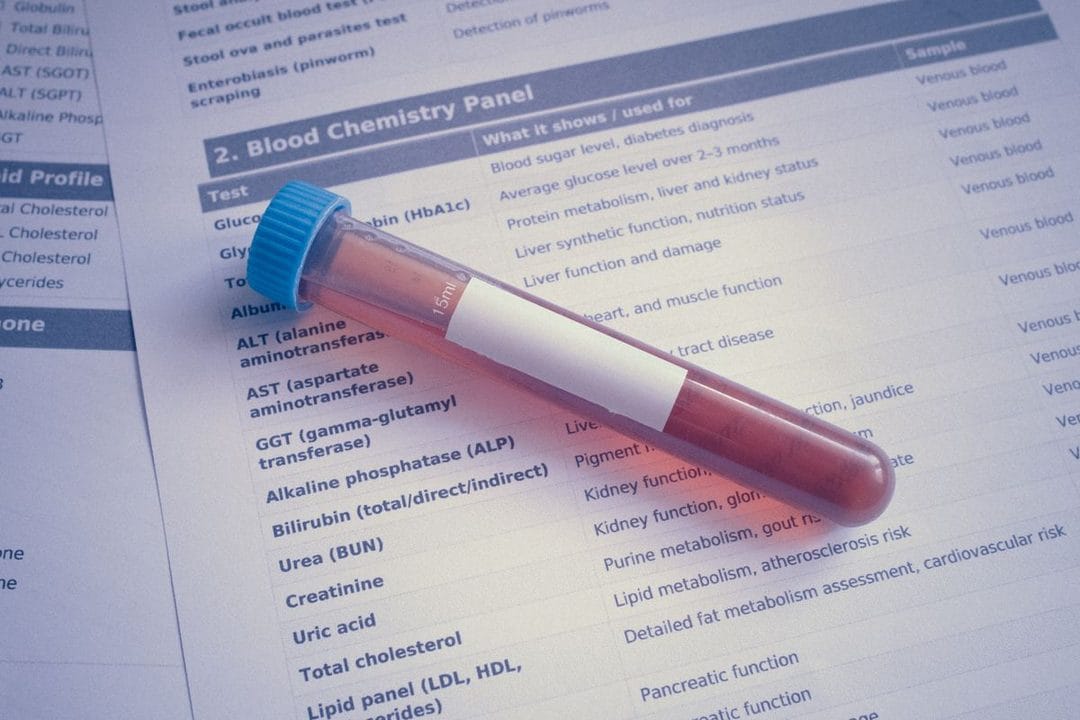
You sit down for a five-minute GP appointment, a nurse draws two vials of blood, and a week later a portal message tells you your "cholesterol is a bit high" with no further detail. That single line does a disservice to what a lipid panel actually contains — four separate numbers, each measuring something different, each with its own threshold, and each pulling in a different direction once you're past 40. Total cholesterol alone is close to useless as a risk marker on its own; it's the ratio between the components, plus your overall cardiovascular risk profile, that a competent clinician should actually be reading.
What a lipid panel actually measures
A standard fasting or non-fasting lipid panel reports four values: total cholesterol, LDL ("bad") cholesterol, HDL ("good") cholesterol, and triglycerides. In the US, a basic panel through Quest or LabCorp runs roughly $29–$89 out of pocket if you're paying cash, and it's fully covered by most insurance plans as part of an annual physical once you're over 40 with any cardiovascular risk factor. In England, the same test is bundled into the free NHS Health Check offered to everyone aged 40–74, repeated every five years — book it through your GP surgery rather than waiting for an invitation letter, because invitations lag behind eligibility by months in some areas.
Fasting used to be mandatory before the blood draw. Current guidance from the National Lipid Association and NICE has moved away from that requirement for most people, because non-fasting triglycerides turn out to be a better predictor of cardiovascular events than the fasting number — a finding from Copenhagen General Population Study cohorts that flipped standard practice around a decade ago. If your triglycerides come back elevated on a non-fasting test, your doctor may still ask for a repeat fasting sample to rule out a recent meal skewing the number, but don't assume you need to skip breakfast every time blood work is mentioned.
The LDL number that actually matters
LDL cholesterol is the figure everyone fixates on, and for good reason — it's the particle that actually gets deposited into artery walls and drives atherosclerosis. General population targets sit under 100 mg/dL (2.6 mmol/L). If you've already had a cardiac event, a stent, or a diagnosis of peripheral artery disease, the target drops to under 70 mg/dL (1.8 mmol/L), and some cardiologists now push high-risk patients toward 55 mg/dL following the FOURIER and ODYSSEY OUTCOMES trial data on PCSK9 inhibitors.
Here's the part that surprises most men: a normal LDL concentration doesn't automatically mean low risk. Some men carry a high number of small, dense LDL particles even when the total LDL concentration looks fine — a pattern strongly associated with insulin resistance and metabolic syndrome, and one a standard panel won't catch. If you have a family history of early heart disease, carry extra weight around the waist, or have borderline blood sugar, ask specifically about an ApoB test or an NMR LipoProfile. Neither is standard on a routine panel, and neither is expensive to add — ApoB typically costs $30–50 extra through the same lab draw.
HDL isn't the free pass it used to be
That confidence took a serious hit.
For two decades, doctors treated a high HDL as protective almost regardless of context, and plenty of men still walk out of an appointment relieved because their HDL is "great" while ignoring everything else on the page. The AIM-HIGH and HPS2-THRIVE trials both tested niacin specifically to raise HDL in patients already on statins, and neither trial showed a reduction in heart attacks or strokes despite HDL numbers climbing substantially in the treatment group. The current thinking is that HDL concentration is a marker of good metabolic health rather than a lever you can pull to buy protection, which means raising it artificially with a supplement doesn't recreate the benefit that naturally high HDL correlates with. A reading above 40 mg/dL (1.0 mmol/L) for men is the floor you want to clear, and a number well above that through genuine fitness and a decent diet is a good sign worth being pleased about. Below that floor, combined with high triglycerides, you're looking at one of the strongest signals of metabolic syndrome a standard panel can show, and it deserves attention even when the LDL line reads perfectly normal. Some men in this pattern get told "your cholesterol's fine" by a GP who only glanced at the total, which is exactly the kind of shorthand that lets real risk slip through unnoticed for years.
Triglycerides: the number most men skim past
Triglycerides under 150 mg/dL (1.7 mmol/L) are considered normal, and most men glance at this line, see it's not flagged in red, and move on. That's a mistake once you're carrying visceral fat, drinking more than a couple of glasses of wine most nights, or eating a diet heavy in refined carbohydrate. Triglycerides above 500 mg/dL put you at real risk of pancreatitis, a genuinely dangerous and painful condition that has nothing to do with your heart directly, and levels in the 150–499 range are strongly linked to insulin resistance well before a diabetes diagnosis shows up on a fasting glucose test.
- Cutting added sugar and refined carbs typically drops triglycerides faster than cutting dietary fat does — often by 20–50% within eight weeks
- Alcohol has an outsized effect on this specific number; three or more drinks a night can push triglycerides into the 300s even in men with an otherwise clean diet
- Omega-3 supplementation at prescription doses (icosapent ethyl, brand name Vascepa) can lower triglycerides by 20–30% in men who don't respond adequately to diet changes alone, and the REDUCE-IT trial found a genuine reduction in cardiovascular events at that dose — over-the-counter fish oil at typical 1,000 mg doses does not replicate this effect
When statins actually enter the conversation
Neither the American College of Cardiology nor NICE in the UK recommends starting a statin purely off an LDL number in isolation for most men. Both bodies use a 10-year cardiovascular risk calculator — the Pooled Cohort Equations in the US, QRISK3 in the UK — that factors in your age, blood pressure, smoking status, diabetes history, and cholesterol together. NICE recommends offering a statin (usually atorvastatin 20mg) when your calculated 10-year risk hits 10% or higher; the ACC/AHA guidelines use a similar 7.5–10% threshold for starting the conversation, with a firmer recommendation above 20%.
Take the statin conversation seriously once your calculator result clears that line — don't let a normal-looking LDL talk you out of a genuinely elevated overall risk score. Generic atorvastatin costs under $10 a month at most US pharmacies with a GoodRx coupon, and the NHS prescription charge in England covers it for a flat £9.90 per item, or free if you're in Scotland or Wales. Muscle aches are the side effect men worry about most, and they do happen in a meaningful minority of patients within the first few months of starting treatment. A genuine statin intolerance affecting daily life is far rarer than internet forums suggest, and most reported cases resolve with a switch to a different statin or a lower dose rather than stopping treatment altogether. Rosuvastatin at a lower dose is often the fix when atorvastatin causes noticeable aches, since the two drugs are metabolised differently in the liver. Stopping outright and going without any lipid-lowering treatment should be the last option on the list, not the first one you reach for after one uncomfortable week.
The lifestyle levers, and their real limits
Diet and exercise absolutely move these numbers, and it would be dishonest to suggest otherwise. Replacing saturated fat with unsaturated fat — swapping butter for olive oil, red meat for oily fish two or three times a week — typically drops LDL by 5–10% over three months. Regular aerobic exercise, roughly 150 minutes a week at a pace where conversation gets difficult, raises HDL by a modest but real 3–6 mg/dL on average. Losing even 5–10% of body weight, particularly around the waist, improves all four numbers at once because visceral fat itself drives triglyceride production and insulin resistance.
None of that replaces medication for men whose genetics load the dice heavily. Familial hypercholesterolemia affects roughly 1 in 250 people and produces LDL levels in the 190–300+ mg/dL range that diet and exercise alone will not bring down to safe territory — if your LDL has been persistently above 190 mg/dL since your twenties or thirties, regardless of diet, ask your GP about genetic testing rather than spending another year on lifestyle changes that were never going to be enough on their own.
What to actually do with your results
Get the panel done if you're over 40 and haven't had one in the last five years — book it, don't wait for a reminder letter that may never arrive. Ask your clinician to calculate your actual 10-year cardiovascular risk score rather than reading the LDL number in isolation, because that single figure without context tells you almost nothing useful. And if triglycerides or HDL come back abnormal while LDL looks fine, push for that conversation anyway; metabolic dysfunction shows up in those two numbers well before it shows up anywhere else on a standard blood panel.