The Cholesterol Panel Men Over 40 Misread: What LDL, HDL, and Triglycerides Actually Mean
Total cholesterol is the least useful number on your lipid panel. Here's how to read LDL, HDL, triglycerides, and the ratio that predicts real risk.
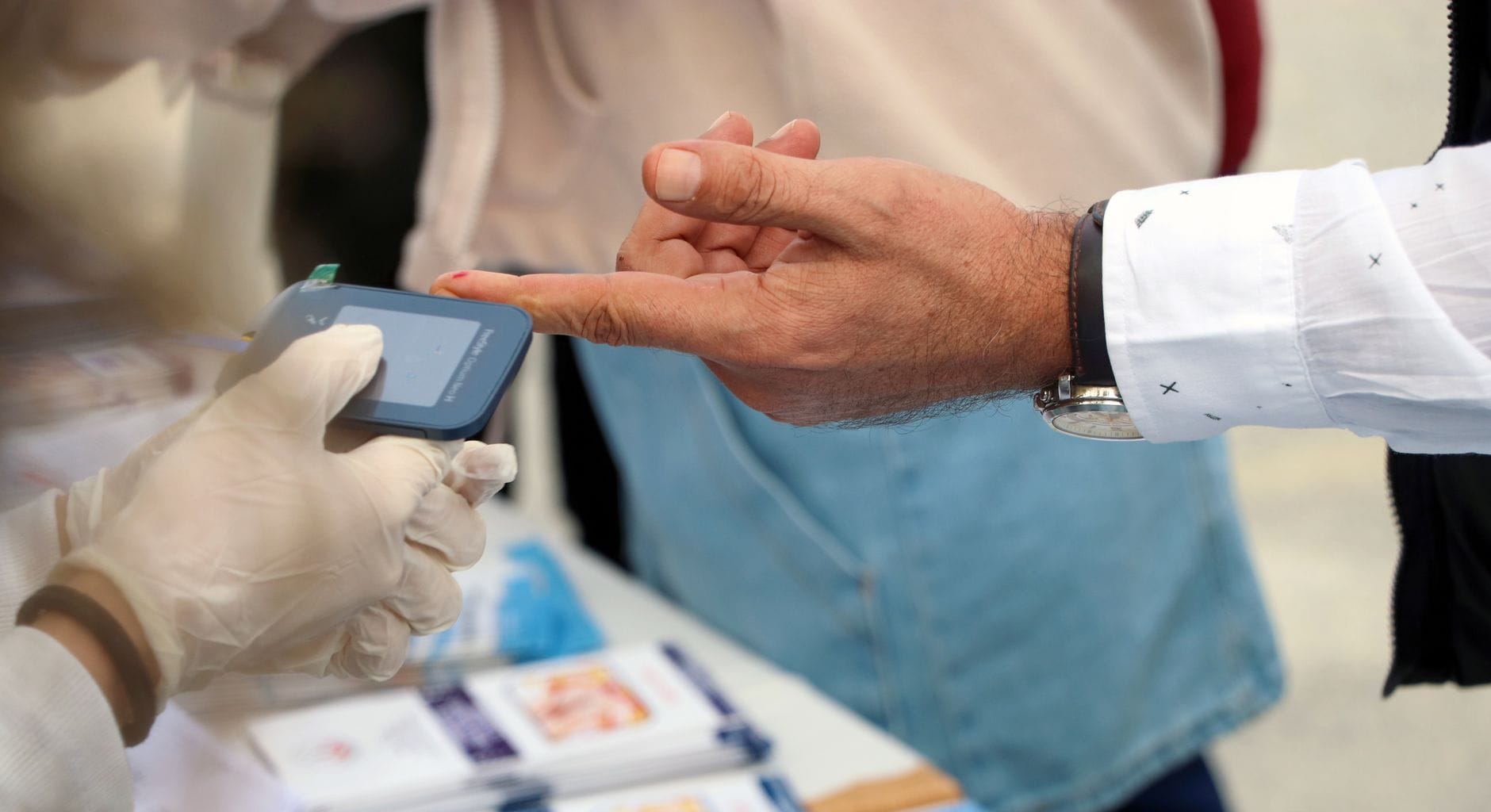
You get the email from the lab before you get the appointment to discuss it. Total cholesterol: 214. LDL: 142. HDL: 38. Triglycerides: 165. No context, no traffic-light colours, just four numbers and a portal that says "results available" — and for most men over 40, that's the entire extent of the conversation unless they push for more. A doctor with twelve minutes and six other patients waiting will often say "a bit high, let's watch it" and move on, which leaves you Googling at 11pm trying to figure out whether 142 is a problem or a rounding error.
The Number That Gets All the Attention Is Rarely the One That Matters Most
Total cholesterol is the number printed largest on the report, and it's also the least useful one on its own. It's just LDL plus HDL plus a fifth of your triglycerides, added together — which means a man with brilliant HDL and modest LDL can post the same total as a man with the reverse, dangerous combination. Cardiologists stopped treating total cholesterol as a standalone decision point more than a decade ago, yet it's still the headline figure on most standard lab printouts, and it's still the number that scares people into either panicking or dismissing a genuinely concerning panel because "214 doesn't sound that bad." Look past it. The real story is in the three numbers underneath it.
LDL Isn't "Bad Cholesterol" — Particle Count Is the Actual Risk
LDL gets the "bad cholesterol" label because it's the particle that carries cholesterol into artery walls, where it can trigger the plaque buildup that eventually narrows a coronary artery. For most men, a standard LDL under 100 mg/dL is the general target, with under 70 recommended if you already have heart disease, diabetes, or a strong family history of early heart attacks. The standard lab measurement most doctors order — the Friedewald calculation — estimates LDL from your total cholesterol, HDL, and triglycerides rather than measuring it directly, and that estimate gets noticeably less accurate once triglycerides climb above 150 or so. If your triglycerides are elevated, ask for a direct LDL measurement or an apoB test instead of trusting the calculated number, because a calculated LDL can undershoot the real figure by 15 to 20 points in exactly the range where it matters most.
ApoB deserves more attention than it gets outside cardiology circles. Every LDL particle carries exactly one apoB protein, so an apoB blood test counts the actual number of cholesterol-carrying particles in your blood rather than estimating their combined cholesterol content. Two men can have identical LDL cholesterol readings of 130 while one carries small, dense, numerous particles and the other carries fewer, larger ones — and the small-particle man carries meaningfully more cardiovascular risk, because it's the particle count, not the cholesterol payload per particle, that predicts plaque formation. Most standard panels don't include apoB. Ask for it by name at your next physical; it typically adds $20 to $40 to a standard lipid panel and most major labs, including Quest and LabCorp, run it routinely.
HDL: Higher Isn't Automatically Better
HDL earned its "good cholesterol" reputation because it carries excess cholesterol away from artery walls back to the liver for disposal, and for decades doctors treated "raise your HDL" as an unambiguous goal. That thinking has been quietly revised. Large trials on HDL-raising drugs — niacin, CETP inhibitors like torcetrapib — consistently failed to reduce heart attacks even when they successfully pushed HDL numbers up, which told researchers that HDL function matters more than HDL quantity. A low HDL, generally under 40 mg/dL for men, is still a real risk marker worth addressing through exercise and reduced refined carbohydrate intake. But chasing an extremely high HDL through supplements or extreme measures isn't the win it once appeared to be, and a few studies have even found a modestly elevated risk at the very top of the HDL range, above roughly 90 to 100 mg/dL, though that finding is still debated among lipidologists.
Triglycerides: The Number Most Tied to What You Ate Last Night
Triglycerides respond faster to lifestyle than any other number on the panel, which is exactly why the standard advice to fast for 9 to 12 hours before a lipid panel exists — a large dinner heavy in refined carbs or alcohol the night before a morning blood draw can inflate triglycerides by 50 points or more, throwing off the whole panel including the calculated LDL. A reading under 150 mg/dL is the standard target; between 150 and 199 counts as borderline-high, and anything above 500 carries a real risk of pancreatitis, not just heart disease. Refined carbohydrates and added sugar move this number more than dietary fat does, which surprises most men who've spent years avoiding egg yolks and bacon while pouring cereal and orange juice into the same bowl every morning. Alcohol is the other major lever — even moderate regular drinking, three or four beers a few nights a week, can keep triglycerides elevated in a way that a single "clean" week before a blood test won't fully correct.
There's a genuine nuance worth sitting with here: a man who tightens up his diet for the ten days before a scheduled blood test can walk in with numbers that look considerably better than his actual year-round baseline. That's not cheating exactly, but it does mean a single panel is a snapshot, not a verdict, and it's worth repeating the test under ordinary conditions if the first result surprised you in either direction.
The Ratio That Deserves More Attention Than Any Single Number
Your triglyceride-to-HDL ratio, calculated by dividing one by the other, is a rough but genuinely useful proxy for insulin resistance and small-particle LDL — the pattern most strongly linked to heart disease in men who look otherwise healthy on paper. A ratio under 2 is considered good; above 4 suggests the small, dense LDL pattern that a calculated LDL number alone won't flag. A man with a triglyceride reading of 180 and an HDL of 35 — a ratio above 5 — is often carrying more cardiovascular risk than a man with a higher raw LDL number but a favourable ratio, even though the second man's report looks scarier at first glance to anyone just scanning for the biggest number.
- Total cholesterol — least useful alone, still the biggest number on the page
- LDL — request apoB or direct measurement if triglycerides are elevated
- HDL — low is a real flag, extremely high isn't automatically protective
- Triglycerides — the number most sensitive to last night's dinner and this month's drinking
- Triglyceride-to-HDL ratio — a cheap, useful proxy most men never calculate for themselves
What Actually Moves These Numbers
Diet changes triglycerides and, to a lesser extent, LDL within weeks; cutting added sugar and refined starch typically moves triglycerides more than cutting saturated fat does, contrary to what most men were taught in the 1990s. Aerobic exercise reliably raises HDL, generally requiring consistent effort — 150 minutes a week of moderate cardio — sustained over months rather than a single hard training block. Losing visceral fat around the midsection improves the whole panel simultaneously, which is part of why waist circumference correlates with lipid risk almost as strongly as any single blood number does. And for men with a strong genetic loading toward high LDL regardless of diet — familial hypercholesterolemia affects roughly 1 in 250 people and is dramatically underdiagnosed — statins or newer agents like ezetimibe or PCSK9 inhibitors close a gap that lifestyle changes alone genuinely cannot close, and there's no shame in needing that gap closed with medication rather than willpower.
Ask your doctor for the actual numbers next time, not just the "you're fine" or "let's keep an eye on it" summary. Write down LDL, HDL, and triglycerides, calculate your own ratio on the drive home, and if triglycerides are anywhere near 150, request an apoB test at your next draw. A five-minute conversation now is considerably cheaper than the one that happens after an actual cardiac event.