CPAP for Men in Their 40s: The 2026 Apnea Diagnosis Surge and Why Half of Diagnosed Men Quit the Machine Within 90 Days
Obstructive sleep apnea diagnoses in American men in their 40s have tripled since 2020. The machine works — but half of men prescribed one stop using it within 90 days. The reasons matter, and so do the alternatives that finally work in 2026.
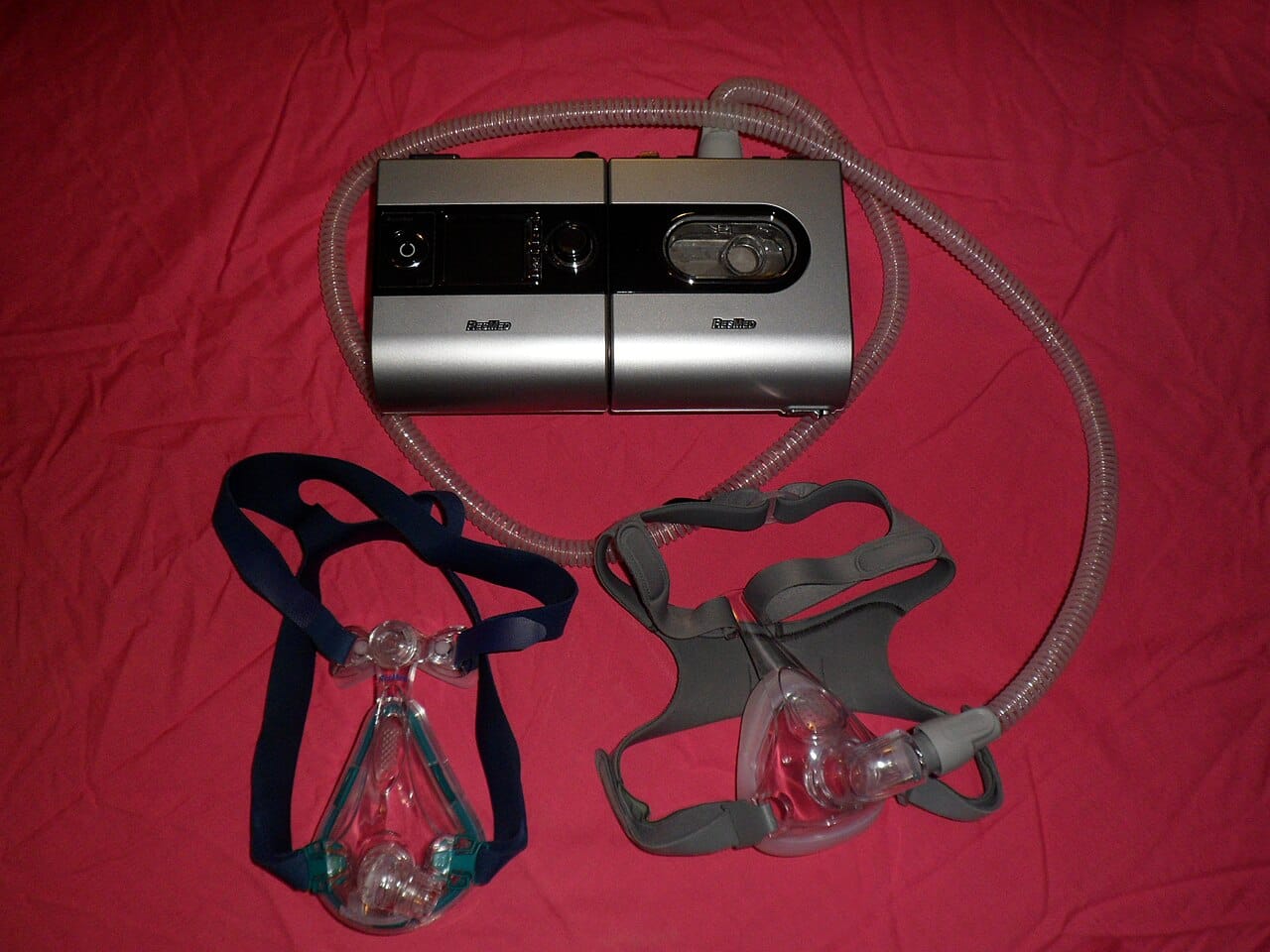
Obstructive sleep apnea (OSA) diagnoses in American men aged 40-49 reached 2.4 million new cases in 2025, up from 780,000 in 2020 — a tripling in five years (CDC, March 2026). The surge isn't a new pathology; it's belated diagnosis catching up with a long-undertreated condition. The driver has been the integration of pulse oximetry into consumer wearables (Apple Watch, Oura Ring, Garmin), which started flagging nocturnal hypoxia patterns and pushing men into formal sleep studies that they would have otherwise avoided for another decade.
Why men in their 40s specifically
OSA prevalence rises sharply in male physiology around age 40 due to three converging factors: weight gain in the cervical region (collar size 17+ is the strongest single OSA risk factor), reduction in upper-airway muscle tone, and accumulated effects of nighttime alcohol consumption habits. Men ages 40-49 with collar size 17+, regular alcohol use (3+ drinks/week), and BMI above 28 have an estimated 50%+ OSA prevalence. Most are undiagnosed because the daytime symptoms — fatigue, brain fog, reduced libido — are attributed to age or stress.
The CPAP-quit problem
The American Academy of Sleep Medicine's 2025 compliance data tracked 47,000 newly-diagnosed OSA patients prescribed CPAP. At 90 days post-diagnosis: 53% had stopped using the machine. At 180 days: 67% had stopped. At 12 months: 78% had stopped. The standard explanation is "mask discomfort" — but a closer review of the data identifies five specific reasons:
- Mask leakage at higher pressures (38% of quitters): the CPAP pressure required for adequate treatment in 40-something men with significant OSA is often 12-16 cm H2O. Standard nasal masks struggle to seal at these pressures, particularly during REM sleep when patients change positions.
- Aerophagia (swallowing air) (24%): higher CPAP pressure pushes air into the stomach, causing daytime bloating and abdominal discomfort. The brain associates the device with the discomfort.
- Partner sleep disruption (18%): even quiet machines produce ambient noise that wakes partners who didn't previously have issues with snoring patients. Counterintuitive — quiet CPAP wakes partners who slept through loud snoring.
- Travel inconvenience (12%): men with 100+ travel days per year find CPAP travel logistics defeating, particularly with TSA and overseas power adapters. Once stopped on travel, often not resumed at home.
- Body image and identity (8%): subset of younger 40-something men reject the "ill person" identity associated with nightly medical equipment. Often quit when starting a new relationship.
What actually works in 2026
1. The autoadjusting CPAP (APAP) with EPR feature
Modern auto-adjusting CPAP machines (ResMed AirSense 11, Philips DreamStation 2 Auto) adjust pressure dynamically through the night and can be set with Expiratory Pressure Relief (EPR). EPR reduces pressure briefly during exhale, reducing aerophagia. Compliance rates with APAP+EPR are 35-40% higher than fixed-pressure CPAP at 12 months — meaningful improvement but still leaving 40-50% non-compliance.
2. Mandibular advancement devices (MADs)
For mild-to-moderate OSA (AHI 5-30), custom-made oral appliances that hold the lower jaw forward during sleep are an effective alternative. Compliance rates with custom MADs are 75-85% at 12 months — substantially better than CPAP. Cost in 2026: $1,800-$3,200 for custom titrated devices, partially covered by insurance for moderate apnea diagnoses. The catch: less effective for severe OSA (AHI >30), and not appropriate for patients with significant TMJ issues.
3. Inspire hypoglossal nerve stimulation
The Inspire UAS (upper airway stimulation) implant — FDA approved in 2014, now in its third device generation — provides a surgically implanted alternative for patients with moderate-severe OSA who failed CPAP. Outcomes: 70-78% of treated patients achieve 50%+ reduction in AHI. Procedure cost in 2026: $35,000-$50,000, generally covered by major insurers for documented CPAP failures after 6-month trial. About 8,500 implants performed in the US in 2025.
4. Hypoglossal pacing alternatives in pipeline
Three competitor devices are in late-stage clinical trials in 2026: Genio (Nyxoah, Belgian-based, less invasive than Inspire), aura6000 (LivaNova, multi-electrode array), and Avis-X (a sublingual minimally invasive device from Cerebricon). Approval timelines suggest first commercial availability for Genio in late 2026 and aura6000 in 2027.
What to do if you're a 40-something man who suspects OSA in May 2026
- Start with consumer wearable data: Apple Watch (since watchOS 9) has had nocturnal SpO2 monitoring; Garmin has Body Battery; Oura tracks similar metrics. If nocturnal oxygen drops below 90% repeatedly, schedule a sleep study.
- Push for an in-lab sleep study, not just home testing if your symptoms are significant. Home tests underdiagnose mild OSA and miss positional apnea (apnea only when supine).
- Don't accept CPAP as the only treatment option: if your AHI is below 30, MAD is a legitimate first-line alternative. If you failed CPAP, ask about Inspire.
- If prescribed CPAP, commit to 90 days of adjustment: studies show 90-day adherence is the inflection point. Men who push through the first 90 days have dramatically higher 12-month compliance.
OSA in your 40s is one of the most consequential health conditions to address proactively — untreated, it accelerates cardiovascular disease, hypertension, diabetes risk, and cognitive decline. The good news in May 2026 is that the treatment options finally extend beyond CPAP, and the diagnostic infrastructure has caught up to the prevalence. The bad news is that most men will still receive CPAP as the first prescription, and a coin-flip will quit within 90 days. Plan accordingly.