Creatine After 35: The Only Supplement With Real Science Behind It
If you take one supplement, take creatine. The evidence base is stronger than anything else on the shelf, and the mechanism affects more than just muscle.
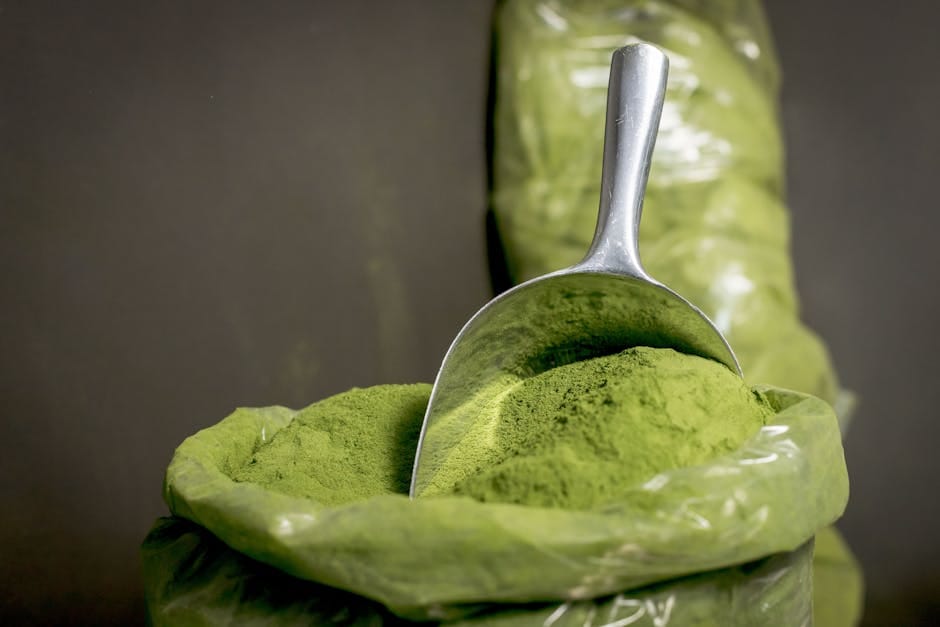
Creatine monohydrate is the most studied sports supplement in history. It's also one of the most studied compounds across any health category, with over 1,000 peer-reviewed trials examining its effects. The result of all that research: it reliably works for muscle, strength, and power, and there's growing evidence it also supports cognition and brain health, particularly with aging.
It costs $10-20 per month. It has an excellent safety profile. It's been sold over the counter for four decades without regulatory concern. Despite this, a significant fraction of middle-aged men either don't take it or have been scared off by outdated myths (water retention, kidney concerns, strategy ambiguity about loading phases).
This is the supplement to take if you take nothing else. Here's the evidence-based case.
What Creatine Is and Does
Creatine is a compound naturally produced in your body and consumed in meat and fish. It's synthesized from three amino acids (arginine, glycine, methionine), primarily in the liver and kidneys. Your body produces roughly 1-2 g daily; your diet contributes another 1-2 g if you eat animal products regularly.
In cells, creatine is phosphorylated to phosphocreatine, which serves as a rapid energy reservoir. When cells need fast ATP production — during high-intensity exercise, for example — phosphocreatine donates a phosphate group to ADP to regenerate ATP in milliseconds. This is the primary energy system for maximum-effort work lasting 1-15 seconds.
Supplementing creatine raises intramuscular phosphocreatine stores. Your cells have more fast-ATP capacity. Across hundreds of trials, this translates to:
- Increased strength (+5-15% in appropriate lifts)
- Increased power output
- Increased muscle mass (+1-2 kg over 12 weeks, typical)
- Improved recovery between high-intensity efforts
- Enhanced training adaptations over time
These effects are robust, not marginal. Men who supplement creatine and train consistently gain measurably more muscle and strength than men who train without it.
The Cognition Story
Brain tissue uses substantial amounts of ATP. Creatine supplementation raises brain creatine content modestly but measurably, particularly in populations with lower baseline creatine (vegetarians, sleep-deprived individuals, older adults).
Evidence for cognitive effects:
- Improved working memory and reasoning under cognitive stress, particularly in sleep-deprived individuals
- Benefits in vegetarians (who have lower baseline muscle and brain creatine) consistently shown
- Emerging evidence in older adults for memory and processing speed
- Some evidence for mood improvement in depression, possibly via energy metabolism in the brain
- Reduced mental fatigue in studies using cognitive challenges
The cognitive effects aren't as robust as the muscle effects, but the pattern is consistent enough to be real. Higher doses (10 g daily rather than the 5 g standard) may be needed for brain effects, since crossing the blood-brain barrier is less efficient than getting into muscle.
The Aging Brain Angle
Research is increasingly examining creatine as a neuroprotective agent. The mechanism: as mitochondrial function declines with age, the rapid ATP buffering that phosphocreatine provides becomes more valuable. Some trials in older adults suggest:
- Reduced cognitive decline markers
- Improved executive function
- Possible benefits in Parkinson's disease progression (mixed results)
- Potential benefit in traumatic brain injury recovery
The evidence for aging and creatine is less definitive than for young athletes, but promising. For men 50+, creatine supplementation likely supports cognitive resilience alongside its muscle benefits.
Dosing
Standard dose: 3-5 g daily, taken continuously.
Loading phase: 20 g daily (split into 4-5 doses) for 5-7 days, then 3-5 g daily. Loading achieves saturation faster (~1 week vs ~4 weeks). Not necessary; not harmful.
Higher doses for cognition: 10 g daily has emerging support for cognitive effects, particularly in older adults or vegetarians. 10 g also has no known downside for muscle effects.
Timing: Doesn't significantly matter. Some studies suggest post-workout with carbs for slightly better uptake, but the effect is marginal. Take it whenever is consistent for you.
With or without food: Either works. With food may reduce any mild GI discomfort, which is uncommon regardless.
Cycling: Not necessary. Your body doesn't downregulate creatine transport in any clinically meaningful way. Take it continuously.
Form: Just Buy Monohydrate
Creatine monohydrate is the standard form, the most studied, the cheapest, and no other form has demonstrated superiority. Marketing claims for various alternatives:
- Creatine HCl: Claimed to dissolve better; no evidence of superior efficacy at equivalent doses.
- Buffered creatine (Kre-Alkalyn): Marketing claims of no bloating; controlled trials show equivalence or inferiority to monohydrate.
- Creatine ethyl ester: Appears to be hydrolyzed back to creatine; no evidence of advantage.
- Liquid creatine: Actually less stable; evidence suggests inferior.
- Creatine nitrate: No clear advantage.
- Micronized creatine: Smaller particle size, mixes better. Same thing as regular monohydrate, just processed finer. Modest convenience advantage, no efficacy difference.
Just buy bulk creatine monohydrate. 500 g container costs $20-30 and lasts 3-4 months at 5 g daily. Creapure brand (German pharmaceutical-grade) is high quality and reliable; many other reputable brands are equivalent.
Myths Worth Debunking
"Creatine damages kidneys." False in people with normal kidney function. Multiple long-term studies (up to 5+ years) have shown no kidney impact. Serum creatinine may rise modestly (this is a byproduct of creatine metabolism, not kidney dysfunction — and is cosmetic if eGFR stays normal). People with pre-existing kidney disease should consult a doctor before supplementing.
"Creatine causes hair loss." Based on a single 2009 rugby study showing increased DHT. That study has never been replicated. Other studies specifically looking at DHT and creatine have not found the same effect. If you have genetic MPB, it might accelerate what's going to happen anyway; if you don't, creatine isn't causing hair loss.
"Creatine causes dangerous water retention." Creatine does draw water into muscle cells (desirable — it's part of how it works). This isn't dangerous edema; it's intracellular hydration. Some men see 1-2 lb weight gain initially from water; muscle appearance often improves (fuller-looking).
"Creatine causes cramps." Controlled studies show creatine may actually reduce cramps. The anecdotal cramp reports are often from underhydration or unrelated factors.
"You have to cycle off creatine." No. Continuous use is standard. Your endogenous production downregulates slightly during supplementation but normalizes within weeks of stopping. No buildup, no tolerance issues.
"Creatine is steroids" / "not natural." It's a naturally occurring compound your body already produces. Supplementation is adding more of what's already there. No hormonal effects; not a steroid.
Who Should Take It
Essentially every adult interested in muscle mass, strength, exercise performance, or cognitive support. Particular cases:
- Men training for strength/hypertrophy: standard dose for performance and muscle.
- Older adults (50+): standard or higher dose (5-10 g) for muscle maintenance and possible cognitive support.
- Vegetarians and vegans: baseline creatine is lower; supplementation provides more pronounced benefit.
- Endurance athletes: benefits less dramatic than for strength athletes; still useful for recovery between high-intensity intervals.
- Men with sedentary lifestyles: Creatine plus appropriate training is more effective than creatine alone, but supplementation still supports any activity.
- Individuals with depression or cognitive complaints: possibly worth trying as an adjunct (not a substitute for treatment).
Contraindications are narrow: significant kidney disease (consult nephrologist), certain rare metabolic conditions. For most healthy adults, creatine is appropriate.
What to Expect
With consistent supplementation plus appropriate training:
- Week 1-2: Weight up 1-2 lb (water in muscle cells). Muscle appearance may improve.
- Week 3-8: Strength gains noticeable, especially in lower-rep work.
- Week 8-16: Muscle mass gains relative to non-supplementing trainees emerge.
- Beyond: Sustained benefits as long as supplementation continues and training is maintained.
If you stop creatine, the muscle water effect reverses (1-2 lb water loss), but actual muscle mass gained doesn't disappear overnight — detraining produces muscle loss independent of creatine.
The Bottom Line
Creatine is:
- Effective (muscle, strength, cognition)
- Safe (decades of research, no significant side effects in healthy individuals)
- Cheap ($20-30 for 3-4 months)
- Easy (5 g once daily, mixed in water)
- Well-tolerated
Few supplements combine all these properties. For men over 35 interested in supporting muscle, strength, and cognitive function over the next decades, 5 grams of creatine monohydrate daily is as close to a no-brainer as supplements get.
Buy a 500 g container of creatine monohydrate. Put it on the counter. Scoop 5 g into water or coffee daily. That's the entire protocol. No loading required, no timing complexity, no cycling, no special form to seek out.
The hundreds of studies agree. Take the creatine.