Dental Health After 40: Why Your Gums Matter More Than Your Teeth
Your cavities aren't the issue anymore. The gums supporting your teeth are where dental problems come from after 40.
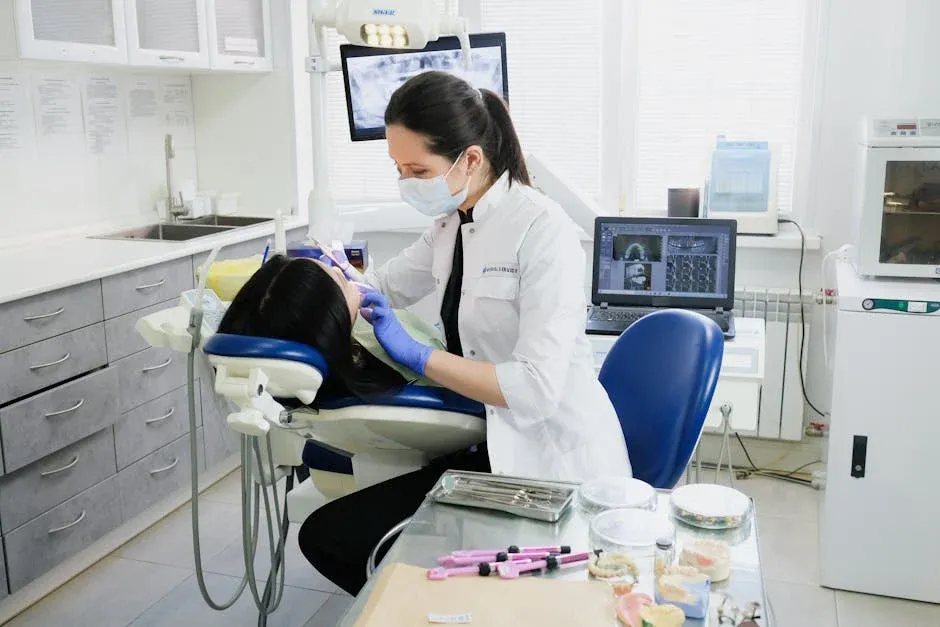
Through your 20s and 30s, cavities were probably your main dental concern. Annual cleanings, occasional fillings, the rare crown. By your 40s, the dynamic shifts. Cavities still happen but become less dominant. What takes over as the main determinant of whether you keep your teeth into old age: your gums.
Periodontal disease causes more tooth loss in adults than cavities. It's also more preventable than people realize. Men who focus on keeping their teeth "clean" while ignoring their gums are optimizing the wrong variable for their age.
Why Gums Become More Important
Several factors converge after 40:
- Cumulative plaque exposure and its effects on supporting tissues
- Age-related immune changes reducing ability to manage oral bacterial load
- Hormonal changes (less dramatic in men than women)
- Accumulation of risk factors (smoking, diabetes, stress)
- Prior dental work creating complex mechanical situations
- Receding gums exposing tooth roots, which are more cavity-prone than enamel
The tooth itself hasn't changed much. What surrounds and supports it has decades of wear.
What Aging Teeth Look Like
Normal age-related dental changes:
- Enamel thinning. Some wear from decades of chewing. Usually minimal but visible.
- Darkening. Enamel becomes slightly more translucent; underlying dentin shows through as yellowish.
- Gum recession. Some recession is normal aging; more than minimal is pathological.
- Exposed root surfaces. Where recession has occurred.
- Wear patterns from bruxism (grinding or clenching), often worsening with age.
- Previous dental work showing wear. Fillings, crowns, bridges may need replacement every 15-25 years.
- Reduced saliva production in some (medications, age). Dry mouth increases cavity risk, especially on exposed roots.
These aren't emergencies but represent the new dental landscape to manage.
The Specific Problems of Middle Age
Root caries. Exposed root surfaces lack enamel. Decay on roots progresses rapidly and is harder to treat conservatively. Fluoride is particularly important for protection.
Gum recession. Once gum tissue recedes, it doesn't grow back. Surgical grafting can restore coverage but is expensive and not always perfectly durable. Prevention via proper brushing technique (not aggressive scrubbing) matters.
Bruxism. Teeth grinding or clenching, often during sleep. Causes wear, cracked teeth, TMJ issues, headaches. Night guards (dental appliances) are the standard treatment; custom-fitted are more comfortable than OTC options.
Cracked teeth. Teeth weakened by prior fillings or decades of use can crack. Cracks often present as pain with chewing specific foods or temperature sensitivity. Requires crowns or, if crack extends to root, extraction.
Dry mouth. Medications (antihistamines, antidepressants, blood pressure medications, many others), age-related reduction, or sleep apnea-related mouth breathing cause dry mouth. Accelerates cavity formation and gum issues. Address underlying cause and consider saliva substitutes.
Sleep apnea and teeth. Mouth breathing during sleep dries the mouth and worsens oral health. CPAP resolves the airway issue and often improves oral health secondarily.
Periodontitis in Detail
Progression phases we covered in the previous article but worth reinforcing:
- Gingivitis: gum inflammation, reversible
- Mild periodontitis: pocket depths 3-4mm, early bone loss
- Moderate: 5-6mm pockets, clear bone loss
- Severe: 7+ mm pockets, significant bone loss, mobility
Stage 3 and 4 periodontitis are common in men over 50 who haven't had consistent professional care. At that point, tooth loss is likely without intervention. Earlier stages are manageable.
Implants and Crowns Reality
When teeth fail and need replacement, options:
Dental implants. Surgical placement of titanium post in jawbone, crown placed on top. Gold standard for single tooth replacement. Cost $3,000-6,000 per implant. Long-lasting (often decades) if proper bone and good hygiene. Complications include peri-implantitis (similar to gum disease around implant) which can cause loss.
Bridges. Fake tooth attached to adjacent teeth (requires crowning adjacent teeth). Less expensive than implants. Can fail if adjacent teeth develop problems.
Dentures/partials. Removable options. Less expensive but less functional than implants or bridges.
No replacement. Sometimes okay for back teeth if function adequate. Front teeth typically replaced for cosmetic reasons.
Implants are remarkably effective for appropriate cases. They feel like natural teeth, function well, and can last decades. They're not indestructible — peri-implantitis (gum disease around implants) is a real problem, and the same oral hygiene demands apply.
Prevention Priorities
For men over 40 wanting to keep their teeth:
- Daily interdental cleaning. Floss, interdental brushes, or water flosser. The single highest-yield daily habit for gum health.
- Electric toothbrush. Oral-B or Philips Sonicare. More effective than manual; reduces pressure-related recession.
- Professional cleanings every 3-6 months. Not annually. Most middle-aged men benefit from quarterly to biannual cleaning frequency. Dentist determines based on periodontal health.
- Fluoride. Regular toothpaste and, for higher-risk patients, prescription-strength or professional treatments.
- Don't smoke. Leading modifiable risk factor for periodontitis and oral cancer.
- Address bruxism. Custom night guard if grinding.
- Manage dry mouth. Adequate hydration, review medications, saliva substitutes if needed.
- Manage diabetes. Glycemic control and gum health reinforce each other.
- Avoid prolonged acidic exposure. Citrus fruits, carbonated beverages — consume reasonably and rinse with water after.
What to Ask Your Dentist
- "Do I have any periodontal pockets deeper than 3mm?"
- "Are there any areas of bone loss on my X-rays?"
- "Should I be on a 3-month cleaning schedule instead of 6?"
- "Do I show signs of bruxism?"
- "Which of my existing dental work is at risk of failing?"
- "Am I a candidate for prescription fluoride or antimicrobial treatments?"
A dentist who just cleans and says "everything looks fine" without specifics may be missing issues. A good dentist engages with these questions directly.
Cosmetic vs Functional Dentistry
The dental industry has expanded heavily into cosmetics — whitening, veneers, cosmetic bonding. These aren't bad but shouldn't substitute for functional priorities.
If your gums are in trouble, whitening your teeth is fixing the wrong thing. Address fundamentals first, cosmetics after.
Whitening
Common options:
- Professional in-office (fastest, most expensive, $300-800)
- Professional take-home trays (slower, moderate cost, $200-500)
- OTC strips (less effective but inexpensive, $20-50)
- Whitening toothpastes (minimal effect)
Safe when done properly. Can cause temporary tooth sensitivity. Doesn't damage teeth at appropriate concentrations. Gums should be healthy before whitening; active inflammation is a contraindication.
Nutrition for Teeth
Dietary factors supporting dental health:
- Adequate calcium and vitamin D for bone (periodontal bone is real bone)
- Vitamin C for gum tissue health
- Limited sugar, especially frequent sipping
- Limited acidic beverages
- Adequate hydration
- Less refined carbohydrate, more whole foods
- Green tea (some evidence for periodontal support via polyphenols)
Nothing dramatic — general healthful diet supports dental health. Frequency of sugar exposure matters more than total amount. Sipping soda throughout the day is worse for teeth than drinking the same amount quickly.
The Cost-Benefit
Preventive dental care costs:
- Two cleanings per year: $200-500 total out of pocket depending on insurance
- Quarterly cleanings for periodontal patients: $400-800 annually
- Home care (toothbrush, floss, toothpaste): $5-15 per month
- Dental insurance premiums: $200-600 annually
Treatment costs when prevention fails:
- Single crown: $1,000-2,500
- Root canal: $800-1,500
- Periodontal scaling and root planing: $800-1,500
- Periodontal surgery: $1,500-4,000 per quadrant
- Single implant with crown: $3,000-6,000
- Full mouth rehabilitation: $30,000-60,000+
The math strongly favors prevention. A middle-aged man who neglects dental care through 50 and shows up with advanced periodontitis and multiple failing teeth is looking at treatments in the tens of thousands. A man who spent $500-800 annually on consistent care from 40-60 may still need some work but typically much less extensive.
The Practical Summary
After 40, focus on gums more than teeth. Professional cleanings every 3-6 months. Daily interdental cleaning. Electric toothbrush. Address bruxism if present. No smoking. Keep diabetes controlled. Get periodontal assessment annually.
The men who keep their teeth into their 80s aren't lucky — they're disciplined about the basics for decades. The men who need dentures in their 60s aren't unlucky — they skipped the basics for decades. The difference is preventable, and the window to act is now.