Hearing Loss in Your 40s: You Can't Reverse It, So Prevent It
You can't regrow damaged hair cells. Everything about hearing preservation is prevention. Here's how to not be the 60-year-old asking people to repeat.
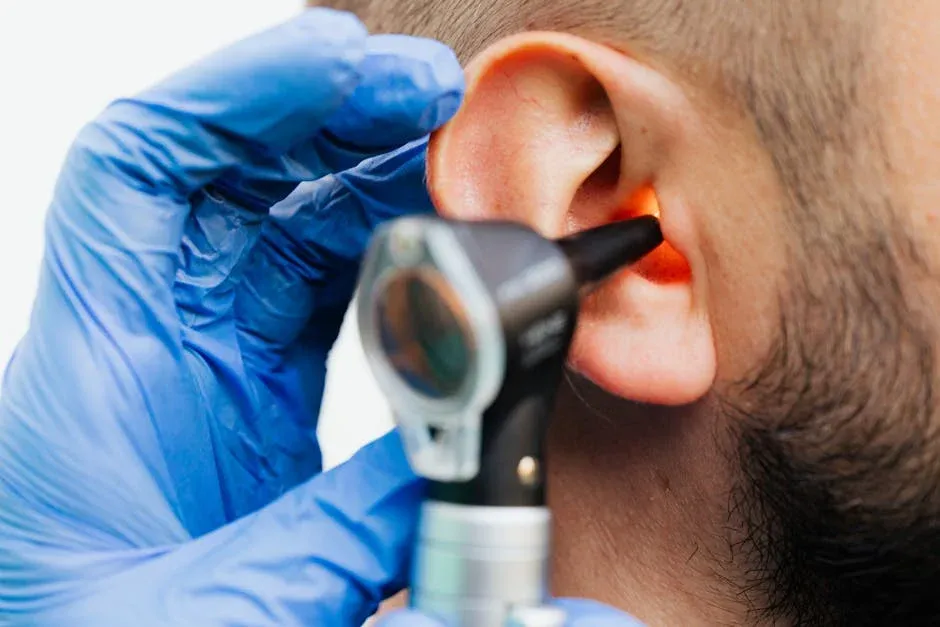
Damaged inner ear hair cells don't regenerate. Whatever hearing loss you've accumulated by 40 is essentially permanent, and what you do now determines whether you're the guy asking "what?" at 60 or the one following conversations easily.
Age-related hearing loss (presbycusis) is partly genetic. Some men retain excellent hearing into their 80s while others lose significant hearing by 55. But noise-induced hearing loss — entirely preventable — adds substantially to age-related decline for most men. The chronic low-grade noise exposure of modern life accelerates the aging process.
How Hearing Damage Happens
Your inner ear has roughly 15,000-20,000 hair cells in the cochlea that convert sound vibrations to neural signals. These hair cells can be damaged by:
- Acute loud noise exposure (explosions, gunshots)
- Chronic moderate noise (workplace, headphones, concerts)
- Aging (cumulative stress)
- Ototoxic medications (some antibiotics, chemotherapy drugs)
- Genetic susceptibility
- Some infections (particularly in childhood)
Damage is cumulative and permanent. Unlike skin regenerating, hair cells once dead are gone. This is why hearing loss is unidirectional — it only gets worse.
Sound Levels That Cause Damage
Decibels (dB) with logarithmic scale — every 10 dB is 10x the intensity:
- 30 dB: Whispered conversation
- 60 dB: Normal conversation
- 70 dB: Busy traffic, vacuum cleaner
- 85 dB: Gas lawnmower (prolonged exposure begins to damage)
- 90 dB: Motorcycle, blender
- 100 dB: Hand drill, rock concert
- 110 dB: Jet flyover, nightclub
- 120 dB: Chainsaw at short distance, rock concert front row
- 140 dB: Jet engine, gunshot
OSHA limits workplace noise to 85 dB for 8-hour exposure. Every 5 dB increase halves the allowed exposure time — 90 dB for 4 hours, 95 dB for 2 hours, 100 dB for 1 hour.
Recreational exposure is often ignored despite being at similar or higher levels than regulated workplace limits.
The Headphone Reality
Earbuds and headphones at typical listening levels:
- Low volume: 60-70 dB
- Moderate volume: 75-85 dB
- Loud volume: 90-105 dB
- Maximum volume on most devices: 100-115 dB
Most smartphones can reach 100+ dB at maximum. Listening at 80% of maximum volume for extended periods is damaging. Many people routinely do this.
The 60/60 rule: listen at no more than 60% of maximum volume for no more than 60 minutes at a time, with breaks afterward. More restrictive guidance: 50% volume maximum, with hour-long breaks every 60 minutes.
Noise-canceling headphones help significantly. They reduce ambient noise, allowing you to listen at lower volumes while still hearing content clearly. A good pair of noise-canceling headphones is probably the best investment men can make for preserving hearing during regular headphone use.
Specific Risk Exposures
Concerts. Typical concert levels 100-115 dB. Even one concert without protection is damaging to most people. Foam earplugs ($1-2 per pair) reduce by 25-30 dB. Musician's earplugs (custom) reduce evenly by 15-25 dB while preserving sound quality.
Motorcycles. Wind noise at highway speeds exceeds 100 dB. Helmet provides minimal protection. Earplugs significantly reduce damage.
Power tools. Circular saws, leaf blowers, lawnmowers all exceed damage thresholds. Hearing protection non-negotiable for extended use.
Firearms. Unprotected shooting causes immediate hearing damage. Single gunshot can reach 140-175 dB — enough to cause permanent damage in one exposure. Always wear hearing protection when shooting.
Loud restaurants/bars. Chronic exposure to 85-95 dB over hours is damaging. Not always avoidable, but limit time at the loudest establishments.
Work exposures. Construction, manufacturing, agriculture, music, military — significant risks. OSHA requires hearing protection in regulated environments; use it.
Symptoms of Hearing Loss
Early signs:
- Asking people to repeat themselves
- Turning up TV louder than family members prefer
- Difficulty following conversation in noisy environments
- Missing high-frequency sounds (birds, doorbells, women's voices)
- Ringing in ears (tinnitus) — often the first warning sign
- Feeling of fullness in ears
- Social withdrawal from noisy situations
Tinnitus warrants attention — persistent ringing often indicates damage. Temporary ringing after loud exposure is "acoustic trauma" signaling damage occurred. Your ears are asking for protection.
Hearing Tests
Baseline audiogram recommended:
- At 40 regardless of exposure history
- After significant noise exposures
- If any symptoms
- Every 2-3 years after 50
Audiograms are quick (15-30 minutes), painless, and usually covered by insurance. Testing reveals specific frequency losses before they're consciously noticeable. Can motivate protective behavior when you see actual damage in the data.
Free hearing screening apps exist but don't substitute for professional audiometry. Useful for monitoring but not diagnosis.
Protection Equipment
Basic options:
- Foam earplugs. $0.10-$1 per pair. Reduce by 25-30 dB when properly inserted. Must be rolled and inserted correctly — many people don't get adequate seal.
- Silicone earplugs. Reusable, reduce by 20-25 dB. More comfortable for extended use than foam.
- Musician's earplugs. Custom-molded or universal, reduce by 15-25 dB evenly across frequencies. Preserves sound quality. $50-200.
- Earmuffs. Over-ear hearing protection. Reduce by 20-30 dB. Good for power tool use, shooting, lawn care.
- Electronic hearing protection. Allows conversation at normal levels but blocks loud noise. Useful for shooting, construction supervision. $50-400.
For concert-goers who want to hear music but reduce damage: $30 musician's earplugs are worth the investment. Foam earplugs work but reduce high frequencies preferentially, making music sound muddy.
Tinnitus
Chronic tinnitus (ringing, buzzing, or humming in ears) affects roughly 10-15% of adults. Common causes:
- Noise exposure
- Age-related hearing loss
- Certain medications
- Cardiovascular issues (occasionally)
- TMJ disorders
- Earwax impaction
Treatment is limited:
- Hearing aids for those with concurrent hearing loss (often reduces perception of tinnitus)
- Sound therapy / masking
- Cognitive behavioral therapy for adjustment
- Address underlying causes
No medication reliably cures tinnitus. Prevention of new noise exposure is the primary management to prevent worsening.
When to Get Hearing Aids
Modern hearing aids are remarkably sophisticated. Early use benefits (rather than waiting until severely impaired) include:
- Better brain adaptation to amplified sound
- Preservation of social engagement
- Reduced cognitive decline (emerging evidence)
- Better speech understanding
Signs it's time:
- Audiogram shows meaningful loss (especially in speech frequencies 500-4000 Hz)
- Social activities becoming difficult
- Work performance affected by hearing
- Family concerns about withdrawal or difficulty communicating
Hearing aids range from $500 (OTC models, since 2022 FDA-approved) to $6,000+ for premium custom models. OTC options have made basic hearing aids much more accessible.
Cognitive Connection
Untreated hearing loss in middle age is associated with increased dementia risk (roughly 2-5x depending on severity). Mechanism unclear — possibilities include:
- Social isolation from communication difficulty
- Cognitive load of straining to hear diverting brain resources
- Reduced auditory stimulation affecting brain health
- Shared underlying causes
Treating hearing loss may reduce cognitive decline risk. The 2023 ACHIEVE trial showed modest reduction in cognitive decline in older adults with hearing aids versus controls.
This adds motivation for early intervention rather than delayed treatment.
Ototoxic Medications
Medications that can cause hearing loss at sufficient doses or in susceptible individuals:
- Aminoglycoside antibiotics (gentamicin, tobramycin, streptomycin)
- Cisplatin and some other chemotherapy drugs
- Loop diuretics at high doses (furosemide)
- High-dose aspirin or NSAIDs
- Some erectile dysfunction medications (rare)
If you're on any of these, periodic audiometry to monitor is reasonable.
The Practical Protocol
- Baseline audiogram at 40
- Retest every 2-3 years after 50
- Earplugs when exposed to concerts, motorcycles, power tools, firearms, loud venues
- 60/60 rule for headphones (max 60% volume, breaks after 60 min)
- Noise-canceling headphones for regular use
- Address any tinnitus or hearing concerns with audiologist promptly
- Don't delay hearing aids if audiogram and daily function suggest they'd help
The Summary
Hearing loss is cumulative and irreversible. The 40s are the transitional decade where protective behavior now pays off for the next 40 years of life. The cost of protection is trivial; the cost of damage is decades of reduced quality of life, social isolation, and potentially elevated cognitive decline risk.
The habits that damage hearing — loud headphones, unprotected concert attendance, power tools without protection — are all habits where the fix is minor and the benefit substantial. Start now.