The Sleep Tracking Wars: Oura, WHOOP, and Apple Watch Compared in 2026
Three leading sleep trackers, three different philosophies. Here's what each actually measures accurately, where they disagree, and how to pick.
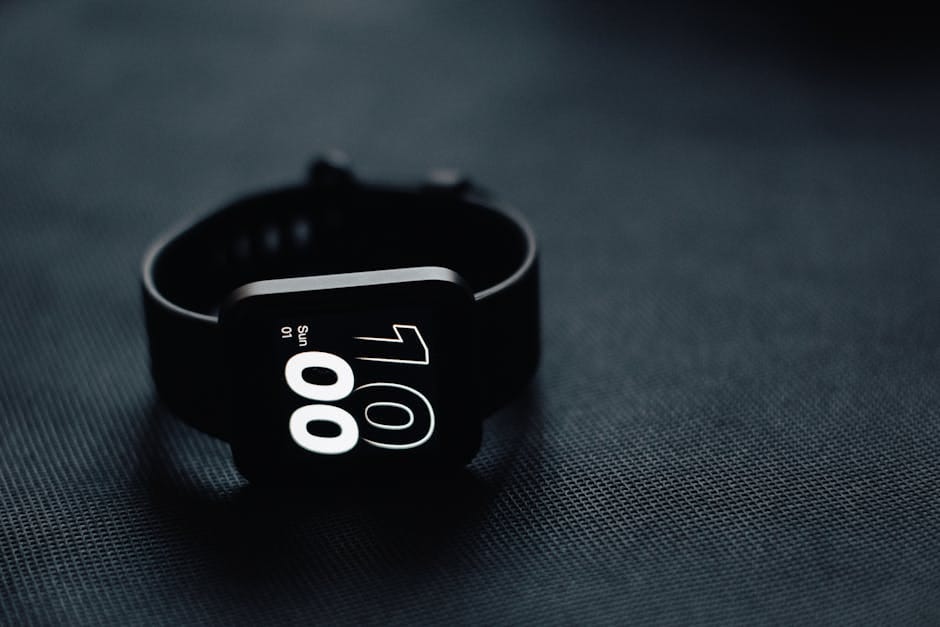
Every sleep tracker's marketing copy promises actionable insights. Every one of them also produces some version of junk data when you look closely at individual nights. After a few years of wearing multiple trackers on the same wrist simultaneously and comparing against lab-grade reference measurements, here's the state of the landscape as of 2026.
The important point up front: consumer sleep trackers are useful for patterns, not diagnostic accuracy. They cannot replace a sleep study. But for daily decisions — how much did alcohol affect my sleep, am I chronically under-slept, is my training load manageable — they're valuable and the technology has improved dramatically.
Oura Ring Gen 4
Philosophy: passive, ring form factor, emphasizes sleep and long-term trends. Charging weekly, no daily interaction needed.
Strengths:
- Excellent sleep staging accuracy — among the best of consumer devices when compared to polysomnography
- Ring form factor is unobtrusive; easy to forget you're wearing it
- Great battery life (6-7 days)
- Solid temperature tracking, useful for illness and menstrual cycle monitoring
- HRV tracking reliable for trend-line analysis
- Subscription model reasonable if you already own the ring
Weaknesses:
- Subscription required for most meaningful features ($70/year after initial year)
- Activity tracking relatively basic compared to wrist devices
- Hard to use during heavy strength training (ring can get in the way)
- Initial cost high ($300-500 for ring)
- No real-time feedback during the day
Best for: men primarily interested in sleep and recovery trends who don't need active training metrics. The Oura excels at what it claims — sleep quality assessment and readiness.
WHOOP 5.0
Philosophy: athlete-focused, strap only (no screen), emphasizes training load and recovery. Subscription-as-hardware model.
Strengths:
- Strongest athletic training integration — strain score is legitimately useful for periodization
- Excellent HRV tracking and analysis
- No screen means no notifications distraction
- Accurate during exercise (superior wrist heart rate algorithm)
- Good community and training features
- Subscription includes hardware updates
Weaknesses:
- Subscription-only ($239/year) — no standalone ownership
- Sleep staging accuracy decent but not as strong as Oura
- No on-device display (some users find this frustrating)
- Screen-less design limits functionality for non-athletes
- Strap needs regular cleaning; skin irritation for some
Best for: men training hard who care about training load and readiness. For the highly-active lifter or endurance athlete, WHOOP provides the best actionable training insights. For a primarily sedentary or moderately active user, it's overkill.
Apple Watch (Series 10 / Ultra 3)
Philosophy: general-purpose wearable with sleep features added on. Prioritizes notifications, activity, and iPhone integration.
Strengths:
- No subscription required (sleep tracking built in; advanced metrics via apps)
- Excellent for overall health integration with iPhone
- Strong cardiac monitoring (ECG, AFib detection)
- Good for combining fitness tracking with everyday computing
- Ultra 3 specifically has multi-day battery (3-5 days for sleep tracking)
- Third-party apps can expand sleep analytics (AutoSleep, Bevel, Sleep++)
Weaknesses:
- Native sleep staging less accurate than Oura or WHOOP (much improved in watchOS 11 but still trails)
- Battery life on non-Ultra models requires daily charging, disrupting wear patterns
- Sleep tracking feels bolted-on rather than primary focus
- HRV data less granular than competitors
- Wearing a watch to sleep uncomfortable for some
Best for: men who want a general-purpose device and will accept "good enough" sleep tracking. If you wouldn't otherwise buy a dedicated sleep tracker, the Apple Watch gives you usable data. For primary sleep optimization, the others are better.
Honorable Mentions
Garmin (Fenix, Venu, Forerunner). Strong for athletes, particularly endurance. Sleep tracking middling but Body Battery and training metrics are excellent. No subscription.
Fitbit (now Google). Basic sleep tracking at lower price points. Subscription unlocks meaningful insights. Middling accuracy.
Eight Sleep mattress. Tracks through the mattress itself. Interesting for committed Eight Sleep users. Can't replace a wearable for daytime data.
Polar (Vantage, Grit X). Athlete-focused, good HRV, less slick UX than WHOOP but comparable data quality.
What Each Gets Wrong
Across all devices, the consistent weaknesses:
- Individual-night stage estimates have variability; don't obsess over one night's numbers
- Recovery scores are proprietary algorithms — good for trend within one device, not comparable across brands
- Sleep stage classifications have disagreement rates of 20-30% with PSG on any single night
- None can reliably detect sleep apnea; they can suggest it through SpO2 or snoring detection but not diagnose
- All devices have optimal wear conditions; poor contact (loose watch, ring turned wrong) degrades data
The Orthosomnia Problem
"Orthosomnia" — anxiety-induced sleep problems caused by obsessing over tracker data — is real. If looking at your sleep score every morning makes you worry about sleep, and the worry makes it harder to sleep, you have a problem the tracker is causing, not solving.
Signs you've got this:
- First thing you do in the morning is check your sleep score
- A bad score ruins your day emotionally
- You make decisions based on a single night's number
- You take supplements or medications to chase higher recovery scores
- Your subjective sleep quality feels different depending on your tracker's verdict
If any of these fit, set the tracker aside for a month. The data is useful; the dependency isn't.
What to Actually Track
For most men, the metrics that matter aren't "sleep score" — they're:
- Total sleep time, multi-week trend
- Consistency of sleep-wake timing
- Resting heart rate trend (elevated = under-recovered, illness, or stressor)
- HRV trend — not single-day number, but moving average over 14-28 days
- Any SpO2 drops during sleep (apnea signal)
- Obvious lifestyle effects (alcohol, late eating, training load) on recovery
That's it. The rest — sleep stage percentages, efficiency calculations, brand-specific "readiness" — is garnish.
The Recommendation
If sleep and long-term health are your priority and you don't train heavily: Oura Ring. The comfort and accuracy are the best in that use case.
If you train hard (5+ structured sessions per week): WHOOP or Garmin. The training integration is where they excel.
If you already have an Apple Watch, or want a single device for everything: Apple Watch Ultra 3. Sleep tracking is adequate and getting better.
If you don't care about daily data and just want to know "do I have apnea or don't I": home sleep study, once, through a proper medical channel. A consumer tracker doesn't replace this.
None of these devices will change your health by themselves. They can inform decisions you're already willing to make. If you wear a $500 tracker while drinking 3 beers nightly and sleeping 6 hours, you're buying confirmation of what's wrong, not a solution. The device is an accountability tool, not a treatment.