PSA Testing Explained: What the Screening Guidelines Actually Say in 2026
PSA screening guidance has shifted twice since 2012. Here's what the test actually measures, why overdiagnosis is a real concern, and when to start the conversation with a doctor.
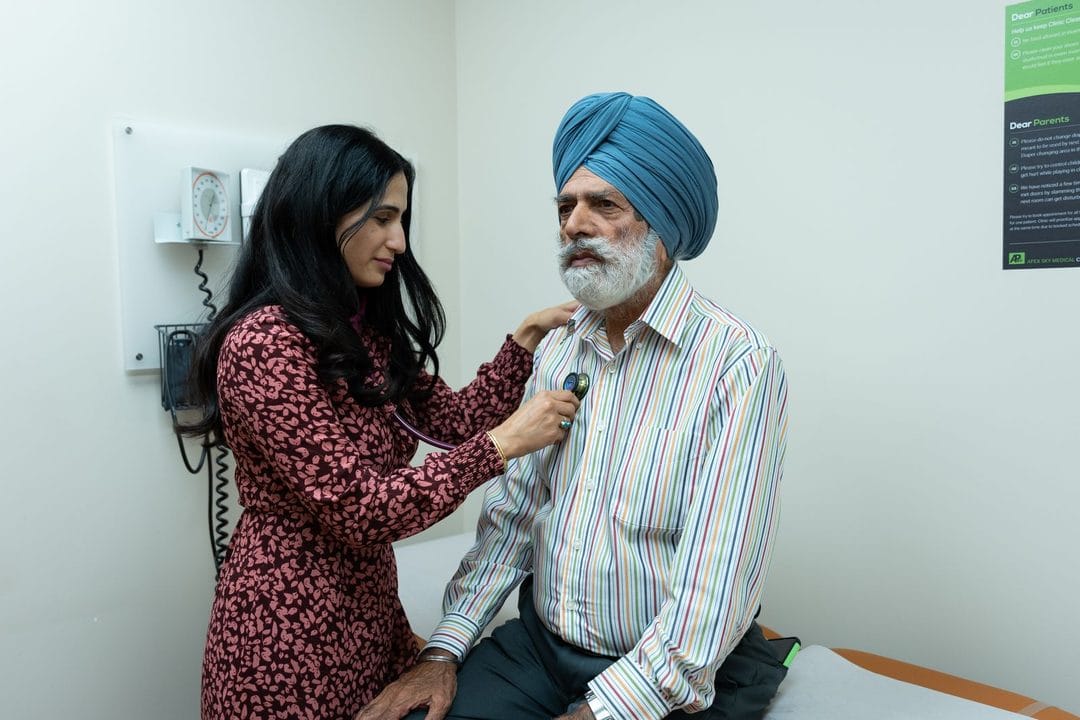
Most men can name what a mammogram screens for. Far fewer can explain what a PSA test actually measures, and that gap matters, because prostate cancer will be diagnosed in roughly 1 in 8 men during their lifetime according to American Cancer Society estimates, making it the second most common cancer in men after skin cancer. The PSA test itself is simple — a blood draw measuring prostate-specific antigen levels — but the guidance around who should get it, and when, has shifted enough over the last fifteen years that plenty of men are working from outdated assumptions their doctor never corrected.
What PSA actually measures — and what it doesn't
Prostate-specific antigen is a protein produced by prostate tissue, and elevated levels can indicate cancer. They can also indicate an enlarged prostate (benign prostatic hyperplasia), a urinary tract infection, recent ejaculation, or even a long bike ride, which is exactly why a single elevated number was never meant to be diagnostic on its own. A PSA above 4.0 ng/mL has traditionally been treated as the threshold worth investigating further, though urologists increasingly look at the trend over multiple tests — a PSA rising from 1.2 to 2.8 over two years carries more weight than a single reading of 2.8 with no prior baseline, because rate of change (PSA velocity) correlates with cancer risk more reliably than any single number in isolation. This is the part that gets lost in casual conversation about the test: PSA screening doesn't diagnose cancer. It flags men who might benefit from further investigation — typically an MRI first under current urology practice, followed by a biopsy only if the imaging shows something suspicious. That two-step approach is relatively recent. A decade ago, an elevated PSA often went straight to biopsy, and the shift toward MRI-first protocols has meaningfully reduced the number of unnecessary biopsies performed on men whose elevated PSA turned out to be BPH or nothing at all.
The USPSTF guidance and why it changed twice
The US Preventive Services Task Force recommended against routine PSA screening entirely in 2012, largely over concerns about overdiagnosis — finding and treating slow-growing cancers that would never have caused a man harm in his lifetime, while exposing him to the real side effects of treatment: incontinence and erectile dysfunction chief among them. That recommendation caused screening rates to drop noticeably through the following years. The Task Force revised its position in 2018, moving to a "C" recommendation for men aged 55-69 — meaning the decision should be individualized, made between a man and his doctor based on personal risk factors and preferences, rather than offered as blanket advice either way. For men 70 and older, the USPSTF still recommends against routine screening, based on the reasoning that most prostate cancers detected at that age grow slowly enough that other health issues are more likely to affect life expectancy first. Family history changes this calculation significantly — a man with a father or brother diagnosed with prostate cancer, especially before age 65, faces roughly double the average risk, and Black men in the US face a meaningfully higher lifetime risk and diagnosis rate than the general population for reasons researchers are still working to fully understand. Both groups are generally advised to start the screening conversation earlier, often by 45 rather than waiting until 55.
The overdiagnosis problem, stated plainly
Here's the uncomfortable part of this topic that gets glossed over in most men's health content: a meaningful share of prostate cancers found through screening are slow-growing tumors that would never have caused symptoms or shortened a man's life if left undetected. Autopsy studies going back decades have consistently found prostate cancer in a substantial percentage of men who died of unrelated causes and never knew they had it. Screening finds these alongside the aggressive cancers that genuinely need treatment, and the test itself can't reliably tell the two apart — that distinction usually requires a biopsy and, increasingly, genomic tests like Decipher or Oncotype DX that assess how aggressive a detected tumor actually is. This is exactly why "active surveillance" has become standard practice rather than a fringe option for men diagnosed with low-grade, low-risk prostate cancer. Rather than immediate surgery or radiation, active surveillance means regular PSA checks, periodic MRI, and repeat biopsies to monitor whether the cancer is progressing, with treatment held in reserve unless the numbers actually move. Roughly half of newly diagnosed low-risk cases in the US are now managed this way rather than treated immediately, a dramatic shift from twenty years ago when nearly all diagnoses led straight to surgery or radiation regardless of how aggressive the specific tumor actually was.
What the digital rectal exam still adds — and where it's fading out
For decades, the digital rectal exam was paired automatically with the PSA blood draw, and plenty of men still associate prostate screening with that exam specifically more than with the blood test itself. Its role has shrunk considerably in current practice. The DRE can detect a hard or irregular area on the prostate that a normal PSA might miss, but multiple studies comparing the two have found it catches meaningfully fewer cancers than PSA testing alone and adds relatively little when PSA and imaging are already being tracked. Many primary care doctors now treat it as optional rather than routine, reserving it for cases where the PSA trend is ambiguous or a patient has specific symptoms — difficulty urinating, blood in urine or semen, or unexplained pelvic discomfort — that warrant a physical exam regardless of the blood work. Cost is rarely the barrier people assume it is. Under the Affordable Care Act, PSA screening is classified as a preventive service and covered without a copay by most insurance plans for men in the recommended age range, and Medicare covers one PSA test annually for men 50 and older at no cost. The actual barrier is usually the conversation itself — men skipping the appointment where the topic would come up, or doctors not raising it proactively during a routine physical because current guidance frames it as a shared decision rather than a default order. If a doctor hasn't brought it up by a routine physical around age 50, it's worth raising directly rather than assuming no mention means no need.
What to actually do with this information
Get the conversation started with a doctor by 50 if you're average risk, or by 45 if you have a first-degree relative with prostate cancer or are Black — those are the two clearest risk multipliers the research consistently points to. Don't treat a single elevated PSA as a diagnosis and don't panic before an MRI or urology referral has actually happened; a moderately elevated number more often reflects BPH or inflammation than cancer, particularly in men over 60 where an enlarged prostate is close to universal. And if a low-risk diagnosis does happen, ask specifically about active surveillance before agreeing to immediate treatment — it's not "doing nothing," it's a monitored approach with a strong track record for exactly the type of slow-growing cancer that screening catches most often. The test itself takes five minutes and one blood draw. The decision about whether and when to get it is the part worth an actual conversation with a doctor rather than a default yes or no, and that conversation is exactly what the current USPSTF guidance is built around — not a blanket rule, but an informed, individual call.