The Snore You're Ignoring: Sleep Apnea and the Men Who Don't Know They Have It
Sleep apnea is wildly underdiagnosed in men and quietly strains the heart for years. The signs that aren't snoring, the risks, and how easy testing has become.
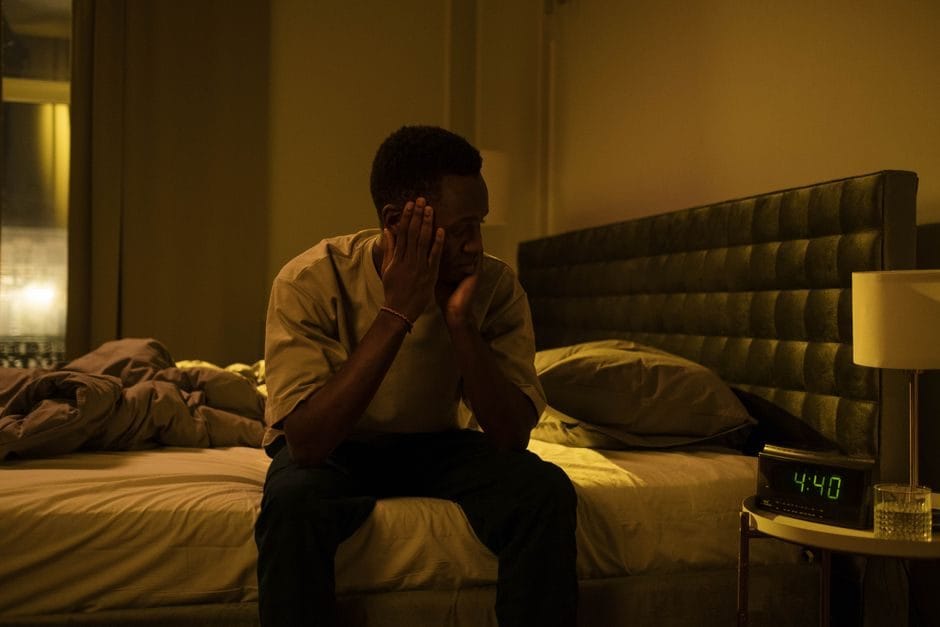
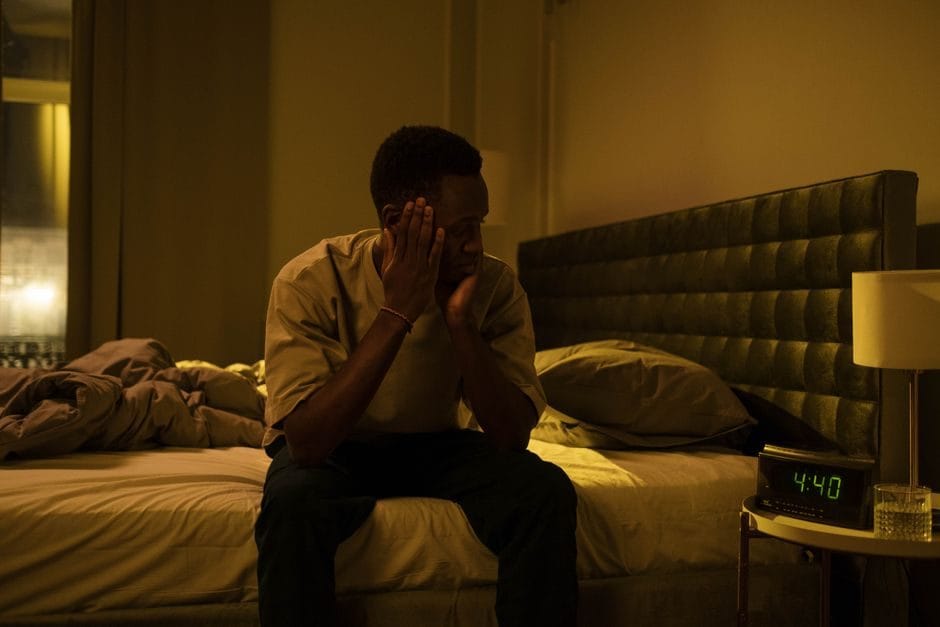
The man who falls asleep on the sofa by 9pm, snores loud enough to rattle a door, and swears he sleeps fine is one of the most common figures in any house. He is also, often, the man slowly wearing out his heart in his sleep without a clue it's happening. Obstructive sleep apnea is wildly underdiagnosed in men, partly because the main symptom happens while you're unconscious and partly because admitting you're tired all day feels like admitting weakness.
Here is the mechanic of it. While you sleep, the soft tissue at the back of your throat relaxes and collapses, briefly sealing your airway. Your oxygen drops, your brain panics you half-awake to gasp, and you start breathing again — then it repeats. Severe cases do this hundreds of times a night. You never remember a single one, which is exactly why men insist they slept great while their body spent eight hours fighting to breathe.
The signs that aren't the snoring
Loud snoring gets the attention, but plenty of people snore without apnea and some apnea is quiet. The tells worth taking seriously are the daytime ones, the ones you can actually notice in yourself.
- Waking up tired no matter how many hours you logged, and needing caffeine just to reach lunch.
- A partner who has watched you stop breathing and then gasp — take this one seriously, it is close to a diagnosis on its own.
- Morning headaches, a dry mouth, or waking two or three times a night to urinate for no obvious reason.
- Falling asleep the instant you sit still — in meetings, at red lights, in front of the TV at 9pm.
Why it's worth the hassle of finding out
This is not about feeling groggy, though that alone is reason enough. Untreated sleep apnea is independently linked to high blood pressure, atrial fibrillation, heart attack, stroke, and type 2 diabetes. The repeated oxygen crashes and adrenaline surges put a strain on your cardiovascular system every night for years. A man treating his blood pressure with three medications while his undiagnosed apnea quietly fights him every night is bailing a boat without finding the hole.
There is a weight angle too, and it cuts both ways. Carrying extra weight around the neck and middle makes apnea more likely, and the exhaustion apnea causes makes losing that weight far harder — you're too wrecked to train and your hormones tilt toward storing fat. It becomes a loop, and treating the apnea is often what finally lets a man break it.
What actually happens if you get checked
The barrier most men imagine — a night in a hospital lab covered in wires — is mostly outdated. A huge share of testing now happens at home with a small device you wear for one night in your own bed, ordered through your GP or a sleep clinic. It measures your oxygen, breathing, and how often your airway gives out.
If you do have it, the frontline treatment is CPAP: a machine that pushes a gentle stream of air through a mask to keep your airway propped open. The reputation is worse than the reality. Modern machines from ResMed and Philips are quiet, the masks have shrunk to small nasal pillows, and men who stick with it past the awkward first fortnight routinely describe the first real sleep they've had in a decade. For milder cases, a custom mandibular advancement device — essentially a mouthguard that nudges your jaw forward — works well and travels in a pocket.
The cruel part is how good "better" feels once you've forgotten what rested even is. A man who has been quietly exhausted for fifteen years often can't tell anymore, because tired became his baseline. The snore your partner keeps complaining about isn't a punchline. Booked properly, it's the cheapest, highest-return health check you'll do all decade.