The Nutrient Men Over 40 Keep Forgetting: Why Fibre Quietly Runs Your Health
No supplement company markets it, so most men over 40 get half the fibre they need. Here's what it does, why it matters more with age, and how to close the gap.
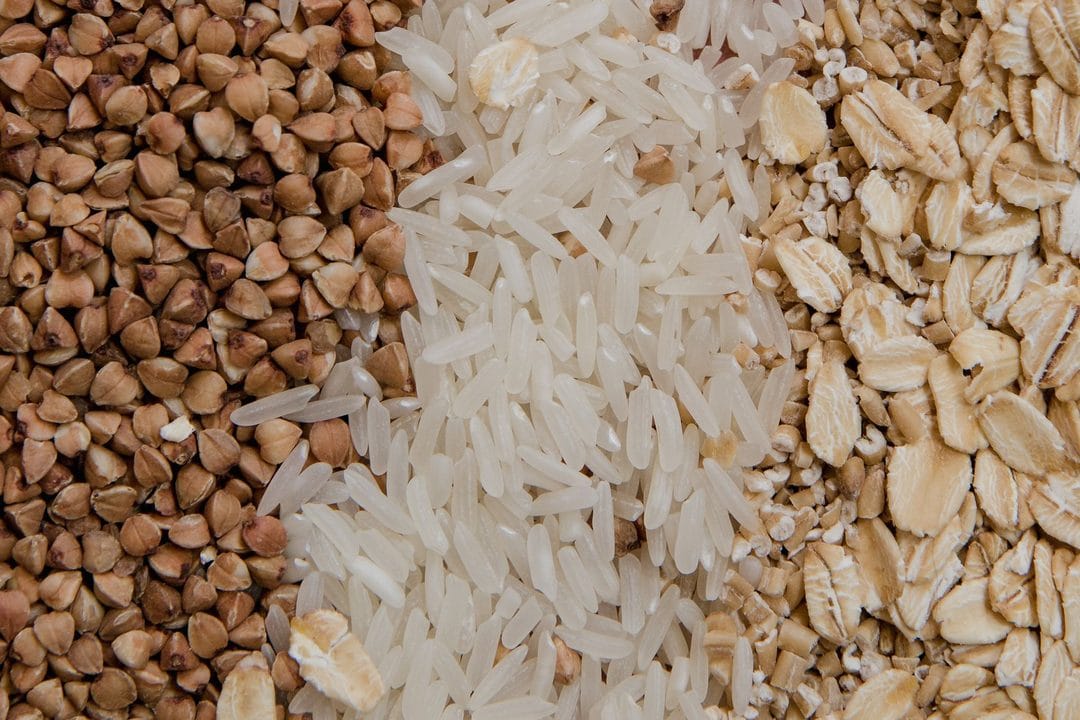
Ask a man over 40 what he's doing for his health and you'll hear about protein, the gym, maybe cutting back on beer. You will almost never hear the word fibre. It's the least glamorous nutrient there is — no supplement company is running slick ads for it — and it might be the single biggest gap in the average bloke's diet. Most men are getting roughly half of what they need, and the cost shows up slowly: in energy, in digestion, in cholesterol numbers, and in risks that don't announce themselves until much later.
What fibre actually does, in plain terms
Fibre is the part of plant food your body can't digest. That sounds useless until you realise it's exactly the point. It passes through, and on the way it does several quiet jobs at once.
It feeds the bacteria in your gut — and a well-fed gut bacterial population is linked to better immune function, steadier mood, and less inflammation. It slows the absorption of sugar, which flattens the energy spikes and crashes that leave you reaching for a 3pm coffee. It binds to cholesterol and helps carry it out, which is one of the cheapest things you can do for your heart. And it keeps everything moving, which matters more every year past 40.
Two kinds, and you need both
Soluble fibre
This dissolves into a gel in your gut. It's the type that helps with cholesterol and slows sugar absorption. You get it from oats, beans, lentils, apples, and barley. The bowl of porridge is doing more than filling you up — it's the most boring heart intervention available, and it works.
Insoluble fibre
This doesn't dissolve. It adds bulk and keeps your digestion regular. Wholegrains, the skins of fruit and veg, nuts, and seeds carry it. Most men who feel sluggish and backed up are simply short on this, and no amount of water alone fixes it.
Why it matters more after 40
A few things shift in middle age. Digestion naturally slows. The gut's bacterial mix becomes less diverse, which is one reason variety of plants matters as much as total grams. And the conditions fibre helps guard against — high cholesterol, blood sugar creeping toward the danger zone, certain cancers of the gut — all start climbing in exactly this window.
None of this is dramatic on any given day. That's the trap. The man who ignores fibre at 42 doesn't feel a thing. The bill arrives at 55, in a blood test or worse.
How to actually fix it without a diet overhaul
You don't need a meal plan or an app. You need to add a few plants to meals you already eat.
- Swap white bread, rice, and pasta for the wholegrain versions. Same meal, double the fibre.
- Throw a tin of beans, chickpeas, or lentils into whatever you're cooking — chilli, curry, a stew. Cheap, filling, and they do most of the work.
- Leave the skins on. The peel of an apple, a potato, a pear is where a lot of the fibre lives.
- Keep nuts and seeds around as the default snack instead of crisps.
- Eat a piece of fruit and a handful of veg at more meals than you currently do. Aim for variety — different colours, different plants — not just more of the same.
Go slow, and drink water
One honest warning: if you jump from very little fibre to a lot overnight, your gut will protest with bloating and discomfort for a few days. Add it gradually over a couple of weeks and your system adjusts. And fibre needs water to do its job — ramp up the plants without ramping up your drinking and you'll feel worse, not better. This is the one place where the “drink more water” advice is genuinely load-bearing.
The bottom line
Fibre will never be exciting. There's no powder worth marketing, no before-and-after photo. But for a man over 40, closing the fibre gap is one of the highest-return, lowest-effort changes available — better digestion and steadier energy now, lower cholesterol and reduced disease risk later. It costs almost nothing and asks only that you eat a few more plants. Start with the porridge and the tin of beans this week. Your gut, and your future blood tests, will quietly thank you.